
Showing posts with label Interviews. Show all posts
Showing posts with label Interviews. Show all posts
Wednesday, 17 March 2010
Interview Podcast
Hey folks, check it out - I did a really fun gig a week or so back with Byron Vincent and A F Harrold, based around Poetry and Stand-Up. Before the gig, us and the compere got interviewed - you can listen to the interviews online here. I think the interviewer, Julia, asks some really insightful questions, and Byron, A F and Dr Kevin McCarron (who has some awesome ideas) all give great, articulate answers. If you're interested in stand-up or poetry or both, I'm sure you'll find it a rewarding listen.

Wednesday, 17 June 2009
Interview With Me, Plus We Can't All Be Astronauts 'Hilarious' Reveals Grazia
There's an interview with me up on essentialwriters.com, which you can go read if you're somehow not satisfied with the current volume of unsolicited self-disclosure on this here weblog. In other news, I am SO in Grazia today. Well, We Can't All Be Astronauts is anyhoo. Lauren Laverne dubs it 'hilarious'. Thank you, Lauren. Do people still chortle? What's a chortle sound like? It's not very onomatopoeic, is it? I imagine it's the kind of noise that'd be made by a toddler choking on a gooseberry.
But I digress.
But I digress.
Tuesday, 2 June 2009
Booktrust Interview
 Oh sheesh y'all, if you have a sixty second window in your schedule lolling open and unsightly like some ageing schnauzer's slobber-rimmed gob then why not cram a tasty shin bone in there - metaphorically, bien sûr - by reading my short interview on the Booktrust website. I drop so much knowledge it's like I'm some kind of klutzy bookseller trying to rearrange the encyclopedia window display - WHICH IS TO SAY I DROP A CONSIDERABLE AMOUNT OF KNOWLEDGE.
Thursday, 21 May 2009
The Performance Poet Interviews - #11: Luke Wright
So yes, here we are again. Another day, another performance poet interview. Goodness. That sounds a bit world-weary. I don't really feel that bleak. I haven't been updating with my usual high-fibre regularity for a couple of reasons, primarily because I've been busy writing actual proper articles that may wind up appearing in actual semi-esteemed organs which some people pay money for. The release date for We Can't All Be Astronauts is just a couple of weeks away now, so I suppose I'll be semi busy-busy.
Also, I've been procrastinating somewhat, because now I've definitely got enough material about open mics to begin putting pen to paper and recording what I've got up to so far. But I think it's probably wise for me to do some planning first, otherwise it's like walking up to a massive cake as big as a house, and wondering where to take the first bite from. I've been perusing my notes, and then I guess I'll just have to take the plunge, and see where it takes me. It always feels a bit nerve-wracking, because I'm not sure whether what interests me will be engaging for other people. The first time we performed Infinite Lives, literally until I got the first couple of laughs from the audience, I still wasn't sure whether all my rattling on about the ways you lose your girlfriend in video games was just something I found personally amusing, or whether other people would go, 'oh yeah - that is pretty cool'. Who knows? I think I just have to press on with it, until I've grown myself a hedge that I can start hacking into. Astronauts developed in a shambling, trial-and-error fashion, and there's something to be said for chasing what's interesting and allowing that to shape the project, rather than forcing a shape onto it before you know what's going to happen - although it's a terribly inefficient way of working.
All of which is just by way of apology. Sorry. I should have been posting more. I missed you. I so want you to be happy. So, as a kind of peace offering, here's an interview with professional word-sayer and quite tall raconteur, Luke Wright:
 How did you get into performance poetry?
I went on a lyric writing course by Martin Newell and he talked about John Cooper Clarke and Attila The Stockbroker. A few months later I went to go and see Martin and John perform at Colchester Arts Centre. It was probably one of the most important nights of my life. I loved it. I was most struck by a young guy called Ross Sutherland who did the opening slot. Ross was talking about things I was taking about in my songs, but here he was able to fully explore his ideas and not just allude to them in scant 4 line verses. Performance poetry seemed like the perfect form for me to work in: there was room to maneuver, you could be funny AND serious and there's was plenty of the old instant gratification (I grew up living next door to a sweet shop). Within a month I had made Ross me friends with me and we were doing gigs together - this informal arrangement became Aisle16 a couple of years after that.
How would you describe your work?
Difficult to do without wanking on... but... I'm really interested in form; I set myself rhyme and metre related constraints. I also like telling stories. Much of my work is humorous (or attempts to me) because I figure why NOT make something funny, generally my poems also try to make a serious point. Content wise I write about myself, Britain, modernity and all the nonsense those things conjure up.
Do you think there's a difference between 'page' and 'performance' poetry? If so, what?
At a very basic level yes. There are some poems that really only work well in performance. They are mini pieces of theatre really, you can read them on the page, but it is often confusing and rarely rewarding. Similarly there are pieces that rely on being seen on the page and would provide no entertainment value read aloud. And there is of course a huge grey area in the middle. I agree with what Polarbear said - 'good is good.' I'm less interested in poetry as purely an experiment in language, I like to feel poetry, to be left with a story or a character or an emotion, rather than an appreciation of how clever the poet is being. With that in mind there are many poems that I love on the page but which also work really well live. Generally speaking all my favourite poems 'work' both on page and stage.
I'm currently editing my first pamphlet - it's a daunting process and it's teaching me a lot about the distinctions of 'page' and 'stage' poetry. For example, short poems, really short poems, never work well on stage, unless perhaps delivered like one liners, but then really they're just one liners. To a less extent longer poems take more out of the reader on the page and rely on being really well ordered to work well. Most poems in an average collection are less than a page long, but if you were to take an average performance poet's set and look at it on the page most of the poems would be over a page. Much of this is down to the applause at the end of a poem. It's weird applauding after only 30 seconds or so - the poet might have earned that applause as a writer but not as performer because they've barely got started.
What I've found whilst putting together my book is that even the poems where I've nailed the syllable count and rhyme scheme, so that they 'work' on the page, lose something because they take longer to get where they're going that perhaps they would if I'd written them with the page in mind. I've taken care to get them 'right' on the page, but over laboured the point perhaps because I know that in performance I can build up momentum (and laughs) by looking at the same point from different angles.
Good writing is good writing. If you're going to write in iambs, couplets or have four feet in a line then you need to stick to it and get it right whether you're writing for page or stage, but even that good writing is sometimes not enough to make sure the piece is equally effective in both mediums. Personally I'm aiming to get the technique watertight, and the content as close to what I really want to say - if one piece works better on the page then so be it, if another on the stage then that's the way it was meant to be. Hopefully I'll have enough of a range that my work will be available in both formats.
Why should someone come to a performance poetry gig?
A good performance poetry gig is mesmerizing. I know that word is over used but it truly it. It's so clever, funny and riveting you'll want more and more and more. It's the kind of thing people really get hooked on.
What do you think your best poem is, and why?
I'm not one of these poets who constantly revisits old work, I have too short an attention span, but I've been doing a lot of editing and ordering of late. In terms of a real banker during a gig I'd have to say The Company of Men, but I think it's flawed. I'm really pleased with the aesthetic feel I created with The Rise and Fall of Dudley Livingstone and I also think it makes quite a clever (for me) point about morality and our attitudes towards it. I also like Colonel Crampon Goes Off, though I'm feeling edgy about the new edit I've done on it for the book.
If you could nick one other person's poem and claim it as your own, which poem would it be, and why?
Oh Tim, I'm going to sound like such a sycophant but one of them has to be your Heart Of Class. Again, I agree with what Polarbear said about how a poem is often so intrinsically linked to the poet that as much as you love it you couldn't feel you could nick it, but there are pieces such as that which are, I think I could get away with and that's one of them. It's a wonderful romping satire and I have thought many times about how I would perform it and make it my own. Does that give you the creeps?
As much I wish I'd written that poem, or indeed Future Dating by Joe Dunthorne, those are poems I'd like to have so I could perform them too. At the other end of the spectrum, poems that I'd like to put in my book, poems that I wish I'd written - The Old Fools by Larkin; Prayer by Carol Ann Duffy; the list could go on...
What typifies bad performance poetry to you?
Self-righteous, emotionally manipulative rants delivered like they were missives from God, that either don't rhyme, or rhyme / all the time, / where each line / is delivered like stops... time / and the final line / is whispered / like / it's / sublime.
yeah.
What do you think of the state of the UK performance poetry scene at the moment? Is it okay to talk about a 'scene', or is that a bit unhelpful?
There is a scene in so much as a lot of the poets who are doing gigs round the UK know each other and keep in contact with one another. Within that scene there are different cliques and groups and other people who don't really like to be associated with other poets in that way. In music, a lot of what makes a 'scene' is the bullshit written about it by music journalists. We don't have much journalism written about performance poetry and when we do they always try and lump the youngest and most eye catching of us up and try and sell it to the public as a 'scene.' This inevitably gets people's backs up as the journalist represents us in a certain way and that's not really going to fit in with our view of ourselves, apart from perhaps the flavour of the month who's been held up as the saviour of poetry. I've had experience from both sides of this: I've been praised far beyond my worth in the press; and been completely ignored whilst other people who I don't rate are held up as the best thing since iambic pentameter. What I've learned is that it's silly to be annoyed by it, what's important is to keep your head down and go on making work that you're proud of. That said I think a 'scene' is a good thing - it's makes all this a little less lonely and it's a sign that things are going well, that there's loads of good poetry gigs going on out there - as a fan of live poetry I welcome that.
Tell us about a particularly memorable reaction you've had to your work.
At the Strawberry Fair in Cambridge last year I managed to provoke a fight that had to broken up by two policemen. All I said was a poet's work is never done. On the plus side John Betjeman's daughter once hugged me and said that he dad would have loved Services To Poetry, which was pretty special.
Over your work with Aisle16 and into your solo shows, you've developed a format where the stuff you say around the poems ends up being just as important as the 'pieces' themselves. Have you got any advice for poets with regard to thinking about a poem's 'lead in'?
I wouldn't say they are 'as important' to me. I enjoy the stand-up part of what I do more on a performance level than on a writing one. I don't really sit down and write my links any more. I usually have an idea, usually a story, which may become a blog, and then I'll try it out on stage. Because a lot of it is trial and error it relies less heavily on the writing and for that reason I'll always see it as secondary to the poetry.
In terms of advice I wouldn't perhaps use that technique from the off. All of the Aisle16 stuff, and Poet Laureate was very tightly scripted and learned. It was only in Poet & Man and A Poet's Work Is Never Done I started to go 'off-piste' a bit with it. This year I'm reigning it back in again. I'm going to write a script for the stand-up stuff for the new show but the material will be fairly loose so I won't learn it word for word, more use the script as a guide.
Can you tell us a bit about how work's going on your new show?
The new show is called The Petty Concerns of Luke Wright. My wife and I are having a baby this summer and it's made me realise just how much time I spend thinking about myself and all the drivel that surrounds being a writer/performer. The show is about my quest to stop ego-surfing and get to the bottom of what really matters in life. This quest is set against a back drop of grotty Travelodges and the peculiar underworld of the London open mic circuit as I cast my thoughts back over the last ten years of my career (it's been that long!) and find out how the seemingly innocuous desire to be adored by millions turned into a horrible ego trip.
Also, I've been procrastinating somewhat, because now I've definitely got enough material about open mics to begin putting pen to paper and recording what I've got up to so far. But I think it's probably wise for me to do some planning first, otherwise it's like walking up to a massive cake as big as a house, and wondering where to take the first bite from. I've been perusing my notes, and then I guess I'll just have to take the plunge, and see where it takes me. It always feels a bit nerve-wracking, because I'm not sure whether what interests me will be engaging for other people. The first time we performed Infinite Lives, literally until I got the first couple of laughs from the audience, I still wasn't sure whether all my rattling on about the ways you lose your girlfriend in video games was just something I found personally amusing, or whether other people would go, 'oh yeah - that is pretty cool'. Who knows? I think I just have to press on with it, until I've grown myself a hedge that I can start hacking into. Astronauts developed in a shambling, trial-and-error fashion, and there's something to be said for chasing what's interesting and allowing that to shape the project, rather than forcing a shape onto it before you know what's going to happen - although it's a terribly inefficient way of working.
All of which is just by way of apology. Sorry. I should have been posting more. I missed you. I so want you to be happy. So, as a kind of peace offering, here's an interview with professional word-sayer and quite tall raconteur, Luke Wright:
 How did you get into performance poetry?
I went on a lyric writing course by Martin Newell and he talked about John Cooper Clarke and Attila The Stockbroker. A few months later I went to go and see Martin and John perform at Colchester Arts Centre. It was probably one of the most important nights of my life. I loved it. I was most struck by a young guy called Ross Sutherland who did the opening slot. Ross was talking about things I was taking about in my songs, but here he was able to fully explore his ideas and not just allude to them in scant 4 line verses. Performance poetry seemed like the perfect form for me to work in: there was room to maneuver, you could be funny AND serious and there's was plenty of the old instant gratification (I grew up living next door to a sweet shop). Within a month I had made Ross me friends with me and we were doing gigs together - this informal arrangement became Aisle16 a couple of years after that.
How would you describe your work?
Difficult to do without wanking on... but... I'm really interested in form; I set myself rhyme and metre related constraints. I also like telling stories. Much of my work is humorous (or attempts to me) because I figure why NOT make something funny, generally my poems also try to make a serious point. Content wise I write about myself, Britain, modernity and all the nonsense those things conjure up.
Do you think there's a difference between 'page' and 'performance' poetry? If so, what?
At a very basic level yes. There are some poems that really only work well in performance. They are mini pieces of theatre really, you can read them on the page, but it is often confusing and rarely rewarding. Similarly there are pieces that rely on being seen on the page and would provide no entertainment value read aloud. And there is of course a huge grey area in the middle. I agree with what Polarbear said - 'good is good.' I'm less interested in poetry as purely an experiment in language, I like to feel poetry, to be left with a story or a character or an emotion, rather than an appreciation of how clever the poet is being. With that in mind there are many poems that I love on the page but which also work really well live. Generally speaking all my favourite poems 'work' both on page and stage.
I'm currently editing my first pamphlet - it's a daunting process and it's teaching me a lot about the distinctions of 'page' and 'stage' poetry. For example, short poems, really short poems, never work well on stage, unless perhaps delivered like one liners, but then really they're just one liners. To a less extent longer poems take more out of the reader on the page and rely on being really well ordered to work well. Most poems in an average collection are less than a page long, but if you were to take an average performance poet's set and look at it on the page most of the poems would be over a page. Much of this is down to the applause at the end of a poem. It's weird applauding after only 30 seconds or so - the poet might have earned that applause as a writer but not as performer because they've barely got started.
What I've found whilst putting together my book is that even the poems where I've nailed the syllable count and rhyme scheme, so that they 'work' on the page, lose something because they take longer to get where they're going that perhaps they would if I'd written them with the page in mind. I've taken care to get them 'right' on the page, but over laboured the point perhaps because I know that in performance I can build up momentum (and laughs) by looking at the same point from different angles.
Good writing is good writing. If you're going to write in iambs, couplets or have four feet in a line then you need to stick to it and get it right whether you're writing for page or stage, but even that good writing is sometimes not enough to make sure the piece is equally effective in both mediums. Personally I'm aiming to get the technique watertight, and the content as close to what I really want to say - if one piece works better on the page then so be it, if another on the stage then that's the way it was meant to be. Hopefully I'll have enough of a range that my work will be available in both formats.
Why should someone come to a performance poetry gig?
A good performance poetry gig is mesmerizing. I know that word is over used but it truly it. It's so clever, funny and riveting you'll want more and more and more. It's the kind of thing people really get hooked on.
What do you think your best poem is, and why?
I'm not one of these poets who constantly revisits old work, I have too short an attention span, but I've been doing a lot of editing and ordering of late. In terms of a real banker during a gig I'd have to say The Company of Men, but I think it's flawed. I'm really pleased with the aesthetic feel I created with The Rise and Fall of Dudley Livingstone and I also think it makes quite a clever (for me) point about morality and our attitudes towards it. I also like Colonel Crampon Goes Off, though I'm feeling edgy about the new edit I've done on it for the book.
If you could nick one other person's poem and claim it as your own, which poem would it be, and why?
Oh Tim, I'm going to sound like such a sycophant but one of them has to be your Heart Of Class. Again, I agree with what Polarbear said about how a poem is often so intrinsically linked to the poet that as much as you love it you couldn't feel you could nick it, but there are pieces such as that which are, I think I could get away with and that's one of them. It's a wonderful romping satire and I have thought many times about how I would perform it and make it my own. Does that give you the creeps?
As much I wish I'd written that poem, or indeed Future Dating by Joe Dunthorne, those are poems I'd like to have so I could perform them too. At the other end of the spectrum, poems that I'd like to put in my book, poems that I wish I'd written - The Old Fools by Larkin; Prayer by Carol Ann Duffy; the list could go on...
What typifies bad performance poetry to you?
Self-righteous, emotionally manipulative rants delivered like they were missives from God, that either don't rhyme, or rhyme / all the time, / where each line / is delivered like stops... time / and the final line / is whispered / like / it's / sublime.
yeah.
What do you think of the state of the UK performance poetry scene at the moment? Is it okay to talk about a 'scene', or is that a bit unhelpful?
There is a scene in so much as a lot of the poets who are doing gigs round the UK know each other and keep in contact with one another. Within that scene there are different cliques and groups and other people who don't really like to be associated with other poets in that way. In music, a lot of what makes a 'scene' is the bullshit written about it by music journalists. We don't have much journalism written about performance poetry and when we do they always try and lump the youngest and most eye catching of us up and try and sell it to the public as a 'scene.' This inevitably gets people's backs up as the journalist represents us in a certain way and that's not really going to fit in with our view of ourselves, apart from perhaps the flavour of the month who's been held up as the saviour of poetry. I've had experience from both sides of this: I've been praised far beyond my worth in the press; and been completely ignored whilst other people who I don't rate are held up as the best thing since iambic pentameter. What I've learned is that it's silly to be annoyed by it, what's important is to keep your head down and go on making work that you're proud of. That said I think a 'scene' is a good thing - it's makes all this a little less lonely and it's a sign that things are going well, that there's loads of good poetry gigs going on out there - as a fan of live poetry I welcome that.
Tell us about a particularly memorable reaction you've had to your work.
At the Strawberry Fair in Cambridge last year I managed to provoke a fight that had to broken up by two policemen. All I said was a poet's work is never done. On the plus side John Betjeman's daughter once hugged me and said that he dad would have loved Services To Poetry, which was pretty special.
Over your work with Aisle16 and into your solo shows, you've developed a format where the stuff you say around the poems ends up being just as important as the 'pieces' themselves. Have you got any advice for poets with regard to thinking about a poem's 'lead in'?
I wouldn't say they are 'as important' to me. I enjoy the stand-up part of what I do more on a performance level than on a writing one. I don't really sit down and write my links any more. I usually have an idea, usually a story, which may become a blog, and then I'll try it out on stage. Because a lot of it is trial and error it relies less heavily on the writing and for that reason I'll always see it as secondary to the poetry.
In terms of advice I wouldn't perhaps use that technique from the off. All of the Aisle16 stuff, and Poet Laureate was very tightly scripted and learned. It was only in Poet & Man and A Poet's Work Is Never Done I started to go 'off-piste' a bit with it. This year I'm reigning it back in again. I'm going to write a script for the stand-up stuff for the new show but the material will be fairly loose so I won't learn it word for word, more use the script as a guide.
Can you tell us a bit about how work's going on your new show?
The new show is called The Petty Concerns of Luke Wright. My wife and I are having a baby this summer and it's made me realise just how much time I spend thinking about myself and all the drivel that surrounds being a writer/performer. The show is about my quest to stop ego-surfing and get to the bottom of what really matters in life. This quest is set against a back drop of grotty Travelodges and the peculiar underworld of the London open mic circuit as I cast my thoughts back over the last ten years of my career (it's been that long!) and find out how the seemingly innocuous desire to be adored by millions turned into a horrible ego trip.
Thursday, 30 April 2009
The Performance Poet Interviews - #10: Elvis McGonagall
Oh my goodness. What a busy bee I am this week. And yet apparently making as much impact on my workload as an actual bee. They're not even heavy enough to operate a keyboard. So, look. Why not read this week's performance poet interview, with the very witty, very tartan Elvis McGonagall?
 How did you get into performance poetry?
I fell into it, in the deep end, by accident, whilst drunk - entered a slam at the Cheltenham Literature Festival in 2003. Thus Frankenstein's monster was born.
How would you describe your work?
Chop, chop, merry, merry, busy, busy, bang, bang.
The happy sound of the four-letter word that is work. Sadly, a sound that is all too sporadic round these parts. The "performance" part is essentially shouting at strangers in a dark room, usually in the evening, whilst wearing a loud and increasingly tight tartan jacket. As far as the "poetry" bit is concerned if the content had to be labelled I guess it would be "political satire and gratuitous celebrity bashing derived from a deep well of bile and anger. In verse".
Do you think there's a difference between 'page' and 'performance' poetry? If so, what?
Yes.
One is better written down.
Mine isn't.
Which is probably why I've always felt a wee bit ambivalent describing myself as a "poet". Also, I don't have the fedora, the fur-coat or the cuban heels. "Wordsmith" is perhaps a more accurate description. Or "versemonger". But for want of anything else "stand-up poet" will do.
And poetry existed way before William Caxton so that's alright.
Why should someone come to a performance poetry gig?
Good question.
So that the likes of you and I are not left abandoned on a stage in a tiny empty room above a pub as tumbleweed drifts past forcing us to confront the futility of existence. And, on a good day, you might see all manner of exciting, entertaining, thought-provoking performers delivering wonderful words in defiance of the brutalisation of our glorious language by stubby-fingered neanderthal "txt" messages.
On the other hand on a bad day it might be absolute shite. But in any event it'll probably cost less than a fiver. And it would still be better than sitting on the sofa watching Piers Morgan interview Ulrika-ka for an hour. An hour. What the flying fuck is going on?
What do you think your best poem is, and why?
All my stuff is really written for my missus so I asked her and she said "This Land's Not Your Land" because "it makes her cry and want to sleep with me". That's more than good enough for me (although I do hope it's not the only piece that might assist in conjugal bliss as it's been retired from performance since Obama's election).
If you could nick one other person's poem and claim it as your own, which poem would it be, and why?
Ah - there are many and various candidates. Enough to fill a small anthology. Something very short would be ideal to nick - the equivalent of shoplifting items that easily fit up your jumper - perhaps Byron Vincent's Elton John haiku. Although that would be pointless because I can only ever remember the last five syllables despite having heard it on numerous occasions - too busy laughing to remember the other twelve. Or perhaps something that is radically different from anything I might do, such as Henry Bowers' "All Out Of Dogfood". But that would be equally pointless as I'd never be able to pass off as my own work that of a Swedish hip-hop Tom Waits-influenced bearded rapper. There are many, many others. Too many to list here.
What typifies bad performance poetry to you?
Self-indulgent bollocks that sends an audience to sleep. As the late, great Adrian Mitchell said "most people ignore most poetry because most poetry ignores most people". The litmus test is my mate Matthew's spectacles - if he's in the audience and he takes his specs off then it's really, really bad.
What do you think of the state of the UK performance poetry scene at the moment? Is it okay to talk about a 'scene', or is that a bit unhelpful?
For some reason the word "scene" throws up an image of Peter Sellars in a beret and black polo neck reciting bad beat poetry in a dingy, smoke filled cavern somewhere in Swinging London. Not sure why.
Anyway, on occasion the scene seems to be in rude health with a whole raft of fantastic performers out there and a potentially huge audience. But then again it sometimes feels like Hercules' 13th labour trying to do this for a living - particularly when I'm staring at the cows at the bottom of the garden.
And the cows stare back.
The cows usually win the staring contest.
Tell us about a particularly memorable reaction you've had to your work.
Here's a random selection:
I supported John Cooper Clarke a wee while back which was a thrill and he said "fucking fabulous" after my set - but I think he was being a gentleman.
A self-confessed lifelong Tory with a political viewpoint quite possibly more extreme than Genghis Khan heaped praise upon a piece I do called "You Can Call Me Dave" (which is none too complimentary about David Cameron's rhetoric). Nice to know that Dave unites left and right.
After my first appearance on Radio 4's "Saturday Live" Rachel Cooke, writing in the New Statesman, described me as "...someone you've never heard of whose every stanza sounds like it was written by Les Dawson on the back of a fag packet". Beautiful.
 How did you get into performance poetry?
I fell into it, in the deep end, by accident, whilst drunk - entered a slam at the Cheltenham Literature Festival in 2003. Thus Frankenstein's monster was born.
How would you describe your work?
Chop, chop, merry, merry, busy, busy, bang, bang.
The happy sound of the four-letter word that is work. Sadly, a sound that is all too sporadic round these parts. The "performance" part is essentially shouting at strangers in a dark room, usually in the evening, whilst wearing a loud and increasingly tight tartan jacket. As far as the "poetry" bit is concerned if the content had to be labelled I guess it would be "political satire and gratuitous celebrity bashing derived from a deep well of bile and anger. In verse".
Do you think there's a difference between 'page' and 'performance' poetry? If so, what?
Yes.
One is better written down.
Mine isn't.
Which is probably why I've always felt a wee bit ambivalent describing myself as a "poet". Also, I don't have the fedora, the fur-coat or the cuban heels. "Wordsmith" is perhaps a more accurate description. Or "versemonger". But for want of anything else "stand-up poet" will do.
And poetry existed way before William Caxton so that's alright.
Why should someone come to a performance poetry gig?
Good question.
So that the likes of you and I are not left abandoned on a stage in a tiny empty room above a pub as tumbleweed drifts past forcing us to confront the futility of existence. And, on a good day, you might see all manner of exciting, entertaining, thought-provoking performers delivering wonderful words in defiance of the brutalisation of our glorious language by stubby-fingered neanderthal "txt" messages.
On the other hand on a bad day it might be absolute shite. But in any event it'll probably cost less than a fiver. And it would still be better than sitting on the sofa watching Piers Morgan interview Ulrika-ka for an hour. An hour. What the flying fuck is going on?
What do you think your best poem is, and why?
All my stuff is really written for my missus so I asked her and she said "This Land's Not Your Land" because "it makes her cry and want to sleep with me". That's more than good enough for me (although I do hope it's not the only piece that might assist in conjugal bliss as it's been retired from performance since Obama's election).
If you could nick one other person's poem and claim it as your own, which poem would it be, and why?
Ah - there are many and various candidates. Enough to fill a small anthology. Something very short would be ideal to nick - the equivalent of shoplifting items that easily fit up your jumper - perhaps Byron Vincent's Elton John haiku. Although that would be pointless because I can only ever remember the last five syllables despite having heard it on numerous occasions - too busy laughing to remember the other twelve. Or perhaps something that is radically different from anything I might do, such as Henry Bowers' "All Out Of Dogfood". But that would be equally pointless as I'd never be able to pass off as my own work that of a Swedish hip-hop Tom Waits-influenced bearded rapper. There are many, many others. Too many to list here.
What typifies bad performance poetry to you?
Self-indulgent bollocks that sends an audience to sleep. As the late, great Adrian Mitchell said "most people ignore most poetry because most poetry ignores most people". The litmus test is my mate Matthew's spectacles - if he's in the audience and he takes his specs off then it's really, really bad.
What do you think of the state of the UK performance poetry scene at the moment? Is it okay to talk about a 'scene', or is that a bit unhelpful?
For some reason the word "scene" throws up an image of Peter Sellars in a beret and black polo neck reciting bad beat poetry in a dingy, smoke filled cavern somewhere in Swinging London. Not sure why.
Anyway, on occasion the scene seems to be in rude health with a whole raft of fantastic performers out there and a potentially huge audience. But then again it sometimes feels like Hercules' 13th labour trying to do this for a living - particularly when I'm staring at the cows at the bottom of the garden.
And the cows stare back.
The cows usually win the staring contest.
Tell us about a particularly memorable reaction you've had to your work.
Here's a random selection:
I supported John Cooper Clarke a wee while back which was a thrill and he said "fucking fabulous" after my set - but I think he was being a gentleman.
A self-confessed lifelong Tory with a political viewpoint quite possibly more extreme than Genghis Khan heaped praise upon a piece I do called "You Can Call Me Dave" (which is none too complimentary about David Cameron's rhetoric). Nice to know that Dave unites left and right.
After my first appearance on Radio 4's "Saturday Live" Rachel Cooke, writing in the New Statesman, described me as "...someone you've never heard of whose every stanza sounds like it was written by Les Dawson on the back of a fag packet". Beautiful.
Thursday, 23 April 2009
The Performance Poet Interviews - #9: Scroobius Pip
Coo. It's all go here, isn't it? We've already heard from eight very different performance poets, spraying their opinions everywhere, making jokes, being all arty. This week, pray doff your cap and stroke your beard for Scroobius Pip.
 How did you get into performance poetry?
It was a strange one really. I had been in various bands and tried to work with various musicians but musicians (and my friends) by their very nature are incredibly unreliable! I realised that, with spoken word, the only person i had to rely on was myself. If it all went tits up, only I would be to blame. Then at the same time, if it all went great, I could bask in my own glory!
How would you describe your work?
I generally just describe it as spoken word. Due to the fact it is a collection of words that i speak. I like to tackle some quite dark subjects, often within a more lighthearted surrounding to give it more impact. I did a gig for onetaste once and, both in his introduction and after the set, Jamie Woon just kept saying 'Light and Dark, Light and Dark.' I think that's a pretty accurate description of one of my sets.
Do you think there's a difference between 'page' and 'performance' poetry? If so, what?
I really do. That difference is the performer. I remember reading some Niall Spooner Harvey on recmendation and, whilst I enjoyed it, I didn't really think it was my kind of thing. Then, about a month later, i saw him live and his performance and delivery just made it all make sense. I think, particularly as a performer, when you read someone else's poetry you impose your own performance style and technique upon. If it doesnt match how you write/perform then you may not fully appreciate it.
Why should someone come to a performance poetry gig?
Variation!! I think the 'scene' at the moment is just so varied in style. People often think it will be hours of people churning out long boring pieces but it really isn't! If you get down to a good poetry night then it can surprise you with every new poem.
What do you think your best poem is, and why?
This is a really hard question! There is a poem I do called 'Unspoken Word Poetry' and, whilst it may not be my best piece, it has certainly been my favourite to perform for sometime now. This is due to the fact that is has a section of beat boxing in it that is essential to the piece so it can never be a piece of written poetry and therefore only ever exists in the moment that I am onstage performing it.
If you could nick one other person's poem and claim it as your own, which poem would it be, and why?
It would be Cooper Chimbonda by Musa Okwonga (that rhymes...). The first time I saw this performed live I was stunned. I was up against Musa (and maybe yourself from memory) in a Shortfuse poetry slam and as soon as I heard that piece I knew there was only one winner. It's a 10 minute poem that keeps your interest throughout. Beautifully written, with wit intespersed within masses of emotion and conflict.
What typifies bad performance poetry to you?
Harsh question! But I will happily answer! When I started off on the scene I went to four or five open mics and slams a week so I got a good, quick, concentrated view of the scene so it was easy to flag up what I didn't like. I found that, at many poetry shows, there would be a lot of people feeling that if they mimic Ginsberg's slow.....draaaaaaaging.....wiiiiiiiiinding delivery style then it will make anything sound good. The fact is it actually makes most things sound bad. Unless you are actually Ginsberg. Which none of them were...
What do you think of the state of the UK performance poetry scene at the moment? Is it okay to talk about a 'scene', or is that a bit unhelpful?
Well look at that! We both, kind of awkwardly, put 'scene' in little quotation marks. I think there is a scene and it's fine to talk about it that way, largely because of all the different styles and approaches with in the scene. I do a weekly poetry slot on BBC Radio One and I get different poets in each week. It frequently amazes me to see the depth and quality that is out there. Obviously there will be some slot where I think that I am maybe making up the numbers. Only every now and then! But EVERYTIME I have thought that, the poet has come in and been one of my favourites on the show.
Tell us about a particularly memorable reaction you've had to your work.
Well, I have afew pieces about suicide and self harm so I regularly get some teary emotional reactions which is always a weird mixture of being a huge compliment and hugely uncomfortable at the same time!
Since you're quite the inter-disciplinarian, what you think the worlds of music and poetry have got to teach each other?
I think the two don't necessarily have anything to teach each other. They just present each other with further options and areas in which to explore. Poetry doesn't need music added. Music doesn't need poetry added. But if you can develop the two together then the directions are almost limitless!
 How did you get into performance poetry?
It was a strange one really. I had been in various bands and tried to work with various musicians but musicians (and my friends) by their very nature are incredibly unreliable! I realised that, with spoken word, the only person i had to rely on was myself. If it all went tits up, only I would be to blame. Then at the same time, if it all went great, I could bask in my own glory!
How would you describe your work?
I generally just describe it as spoken word. Due to the fact it is a collection of words that i speak. I like to tackle some quite dark subjects, often within a more lighthearted surrounding to give it more impact. I did a gig for onetaste once and, both in his introduction and after the set, Jamie Woon just kept saying 'Light and Dark, Light and Dark.' I think that's a pretty accurate description of one of my sets.
Do you think there's a difference between 'page' and 'performance' poetry? If so, what?
I really do. That difference is the performer. I remember reading some Niall Spooner Harvey on recmendation and, whilst I enjoyed it, I didn't really think it was my kind of thing. Then, about a month later, i saw him live and his performance and delivery just made it all make sense. I think, particularly as a performer, when you read someone else's poetry you impose your own performance style and technique upon. If it doesnt match how you write/perform then you may not fully appreciate it.
Why should someone come to a performance poetry gig?
Variation!! I think the 'scene' at the moment is just so varied in style. People often think it will be hours of people churning out long boring pieces but it really isn't! If you get down to a good poetry night then it can surprise you with every new poem.
What do you think your best poem is, and why?
This is a really hard question! There is a poem I do called 'Unspoken Word Poetry' and, whilst it may not be my best piece, it has certainly been my favourite to perform for sometime now. This is due to the fact that is has a section of beat boxing in it that is essential to the piece so it can never be a piece of written poetry and therefore only ever exists in the moment that I am onstage performing it.
If you could nick one other person's poem and claim it as your own, which poem would it be, and why?
It would be Cooper Chimbonda by Musa Okwonga (that rhymes...). The first time I saw this performed live I was stunned. I was up against Musa (and maybe yourself from memory) in a Shortfuse poetry slam and as soon as I heard that piece I knew there was only one winner. It's a 10 minute poem that keeps your interest throughout. Beautifully written, with wit intespersed within masses of emotion and conflict.
What typifies bad performance poetry to you?
Harsh question! But I will happily answer! When I started off on the scene I went to four or five open mics and slams a week so I got a good, quick, concentrated view of the scene so it was easy to flag up what I didn't like. I found that, at many poetry shows, there would be a lot of people feeling that if they mimic Ginsberg's slow.....draaaaaaaging.....wiiiiiiiiinding delivery style then it will make anything sound good. The fact is it actually makes most things sound bad. Unless you are actually Ginsberg. Which none of them were...
What do you think of the state of the UK performance poetry scene at the moment? Is it okay to talk about a 'scene', or is that a bit unhelpful?
Well look at that! We both, kind of awkwardly, put 'scene' in little quotation marks. I think there is a scene and it's fine to talk about it that way, largely because of all the different styles and approaches with in the scene. I do a weekly poetry slot on BBC Radio One and I get different poets in each week. It frequently amazes me to see the depth and quality that is out there. Obviously there will be some slot where I think that I am maybe making up the numbers. Only every now and then! But EVERYTIME I have thought that, the poet has come in and been one of my favourites on the show.
Tell us about a particularly memorable reaction you've had to your work.
Well, I have afew pieces about suicide and self harm so I regularly get some teary emotional reactions which is always a weird mixture of being a huge compliment and hugely uncomfortable at the same time!
Since you're quite the inter-disciplinarian, what you think the worlds of music and poetry have got to teach each other?
I think the two don't necessarily have anything to teach each other. They just present each other with further options and areas in which to explore. Poetry doesn't need music added. Music doesn't need poetry added. But if you can develop the two together then the directions are almost limitless!
Wednesday, 15 April 2009
The Performance Poet Interviews - #8: Salena Godden
After a week off due to me fannying about the UK feeling all whimsical and introspective, flipping off beggars then getting poorly, pray doff your hats for the triumphant return of The Performance Poet Interviews. At least it's not me having opinions for once, thank whatever interventionist deity presides over blogging (probably some sort of chimpmunk with snarls of sticky, bifurcating ganglia where its eyes should be, called P£t£r5000). Click the 'interviews' tag to see the bitter, often strangely phallic fruits of previous weeks. Today, however, we hear from Salena Godden. Her memoir, Springfield Road, is due out very soon from HarperCollins.
How did you get into performance poetry?
Like most poets I never woke up one day and chose to do this...did it choose me? I have no idea... but... It seems people start calling one a 'poet' and introducing you to their friends as a 'poet' and you roll with it and stop correcting them after a while.
There are two answers to how I got started with the performance:
(1) When i was at school I used to write and sometimes sell poems for fags and favours at school. These were often for girls to give to their boyfriends when they'd been chucked. But put it this way, I did a roaring trade at Valentines, "Steve Steve, my heart on my sleeve..." these awful poems were often read aloud around the back of the 'bike sheds'... or down the woods where we jacked off lessons and got stoned...
(2) In 1991 I left Hastings and moved to London - I got a job with Acid Jazz records - I was the A&R girl, skinny thing with wild curly hair and without apology charging about Soho like I owned it. They started the Acid Jazz Magazine and I penned the column titled 'unsung heroes'.
My first ever interview was with the legendary Jock Scot (brilliant Scottish punk poet dude who is best mates with Shane Mcgowan, Nectarine No.9 etcetera). We started hanging out in Filthy McNasty's where we were served beers by the young barman poet Peter Doherty still cutting his teeth with a band he'd started called The Libertines.
Jock first got me up on stage at West London's Paradise Bar when I drunkenly admitted I wrote stuff. I always thought I was a songwriter and it was Jock Scot that reckoned the words could stand up on their own. This was the door opening - the door they always talk about.
My early gigs then were there and also places like Filthy's in the company of Jock Scot, Tim Wells, Shane McGowan, Phil Dirtbox, Will Self, Murray Lachlan Young... and a young Peter and his band... among countless others... Good times!
 How would you describe your work?
As honest as I cannot ever be to your face and as truthful as all things I wish I had said in retrospect.
Do you think there's a difference between 'page' and 'performance' poetry? If so, what?
A good poem is usually both.
Why should someone come to a performance poetry gig?
I suppose people are not used to listening. We tend to hear whilst preparing what we want to say next. A poetry gig is like listening without having to quip and reply - a poetry gig is being told it's maybe not what you thought after all - but you're not alone.
What do you think your best poem is, and why?
Always the last one I wrote, the fresh new ones just printed or published always excite me, in the most childish indulgent way, as much as they always did and i hope they always do. Gig wise though - I reckon 'Imagine If You Had To Lick It' is still the big crowd pleaser - 'Can't Be Bothered' and 'Wee Wee Hole' close seconds. Why? I guess those 3 poems are the ones that get quoted back to me most often.
Personally i love my 'Emily' poem best. Reading this at Emily Williams funeral was the most difficult thing... to control myself not to cry. That girl was sunlight, one day, aged 26 she literally dropped down dead with a rare blood condition. One day I want to grow up and be the person she believed I was/am.
Emily
I met you on the tube train and asked you
if you wanted to pole dance with me
you said you did and so you did
we swung from the bars
on the Piccadilly line
and then we took you home
and drank cocktails until dawn
I liked your face
brown sugared with freckles
eyes full of mischief and life
genuine
one hundred per cent fun
you were quick and so smart too
you had the boys eating out of the palms of your hands
your hands were small and soft to hold
and your nails short and dirty
laughing with a mouth full of teeth
you’d wipe the sleep from the corner of your eye
and say yes but of course, everything, the world,
of course why not?
with you - nothing was too far or too bold
your head was full of brilliant ideas
to get us into trouble
if they ever caught us, caught you
Now, I remember the sun rising in Islington
the pavement shone with gold
and I balled my eyes out in Angel
tears before bedtime
and some broken boy heartache
it was 7am and you suggested
we go to the postman’s pub
you got us another pair of pints
lit two fags and quietly
told me it was going be alright
you had me eating out of the palm of your hands too
and made me see the light and the funny side.
So I was going to say
I thought that I’d see you this summer
smoke all your cigarettes
laugh about boys
watch the sun rise
and bombard you with poetry
and I was going to say
a hundred things
you lovely, lovely girl
but words are not enough
instead
I will plainly say
I will always miss you.
If you could nick one other person's poem and claim it as your own, which poem would it be, and why?
Elizabeth Smart's 'By Grand Central Station I Sat Down and Wept'. I know it's more a book/memoir than a poem... but to me it is the most beautifully executed poetic book, a journey into falling in love and losing it, the insanity of falling in love, the loss of control, power and rationale. My favourite line: 'But he never passes anywhere near me without every drop of my blood springing to attention...'
I was inspired by this and did 'nick' the line and wrote the poem 'By The Flower Stall in Kings Cross I Sat Down And Wept'.
A poem about losing one of the great loves of my life to heroin.
By The Flower Stall In Kings Cross I Sat Down And Wept (after Elizabeth Smart)
Meet me at two thirty
by the flower stall
in Kings Cross,
I will take you to Edinburgh
where the last page
is framed.
We were drunk
with jasmine and
orange blossom
in Valencia,
where the swallows
flew into the window glass.
Where are you?
Which hospital ward
do you lay in
refusing to see me?
I didn’t mean
that we’d never speak
ever again.
You have cancer
I’m told its serious
they say its for the best
they keep your whereabouts
a secret,
they tell me that I should
just leave it.
Being taught a lesson
but I already couldn’t
unlearn you.
I forget the crimes
where we went wrong,
the messes we made,
I find it impossible
to measure darkness,
just absence of light.
You started it,
you, leaning over the bar
get your passport, you said
I’m taking you for dinner.
I asked and what will you drink?
Cider and you, you smiled,
and you in Spain.
We made sad love,
the roof leaking rain
into buckets around the bed,
in our bubble
it would be alright,
but then I woke up crying.
Now a gold June sunrise
forbids me to sleep,
swallows swoop by
but they don’t fly
into my window pane,
smack
into reflections.
I pound and punish
these keys
in some vain attempt
to reach you,
but its a letter
I’ll never post.
By the flower stall
in Kings Cross
I sat down and wept.
Then I went to Edinburgh
where the last page
is framed,
this book I read
remembering you,
love,
for there was a time
when you could not pass
anywhere near me
without every drop of my blood
springing to attention.
A slammed door
the last word
and goodbye.
We were stubborn,
I’m sorry
and afraid
to face you
sick and in pain
to see you
how I left you
but worse.
If I could I’d read
you these lost last lines
until the rocks melt
and the sea runs dry
my rose,
my bloody
bloodied rose.
What typifies bad performance poetry to you?
I really dislike tokenism poety and I'm not that into stiff and forced rhyming poetry. I'm mixed race, Jamaican Irish and also a female - but I never felt a need to bang on about it... Urgh! Even worse in rhyme! Being true to myself, doing what I do and standing up on stage says it all... know what I mean?
Mae West coined it better when she said something like... I am all for feminism, but it is something to be whispered into the ears of men, quietly, slowly, and just one at a time.
What do you think of the state of the UK performance poetry scene at the moment? Is it okay to talk about a 'scene', or is that a bit unhelpful?
I was never that sure of the 'scene' - it's very fragmented isn't it? Slam poets vs page poets vs performance poets vs rappers vs tantric sex poets vs schoolyard poets etc etc... There are people I have worked with for the last 15 years that are stronger than ever - getting published, getting nominations, winning prizes, doing good, writing and fighting the good fight.
If there is one thing I have learned it's that there are some folk that are in it for the monkey, some for the vanity and shiny lights and some for the longevity and the long haul, others for the cathartic free therapy and there's always the flash in the pan poets you just never hear about ever again... and the poets still doing the same poem from 1992 too.
Tim Wells really helped me get going in the beginning, he and i go back to the mid-90's as mates and collegues. Recently we got some old anthologies and magazines out from 10-odd years ago and it was interesting to see who is still rocking it and who's just clean disappeared. I don't know much about the 'scene' - I think it gets splintered and pedantic. Politics are so boring.
To me it's all about the good fight - and there's some great fighters and writers out there, both young guns and kick-ass old schoolers too. Here's a quote from the Bukowski poem 'Roll The Dice' I have framed on my living room wall:
Go all the way
It could mean not eating for 3 or 4 days
it could mean freezing on a park bench
it could mean jail
it could mean derision
mockery
isolation
isolation is the gift
all the others are a test of your endurance
of how much you want to do it
and you'll do it
despite rejection and the worst odds
and it will be better than anything you can imagine
do it do it do it.....
....and you will ride life straight to perfect laughter
its the only good fight there is...
Tell us about a particularly memorable reaction you've had to your work.
There was a time once - I came off stage and I couldn't stop fizzing, electrified, I could hardly breathe. Weirdest of all is I cannot remember the actual gig but I can clearly recall the backstage dressing room, the heat, white lights, hearing roaring cheers on the tannoy to do an encore, but lying on the floor of the dressing-room literally vibrating for five minutes. Where was I? Fuck knows. Tokyo? Amsterdam? Dunno... I was scared shitless it had gone so well. I was somewhere far away from home.
Best heckle I ever had was being lead by two lady cops and frog-marched to a police station in a village in Austria. The locals had been putting drinks on stage throughout my set and at one point I didn't see a shot and I slipped over in a sticky pool of pear schnapps on-stage. They were going to arrest me for 'being drunk on stage' but I thankfully got away with it. Phew! It was a Prisoner Cell Block H moment though, the lady cops were very strict with me.
Funny groupie moment: I once went to a boy's flat after a reading in NYC - maybe New Yoricans - in his flat he had posters up everywhere of Coldcut... He played the Coldcut tracks I did on 'Let Us play' & 'Let us replay'. He kissed me whilst looking at my video of 'Noah's Toilet' on the DVD and was saying 'That's you (kiss)...and (kisses TV screen)...that's you (kiss)'.
I think he was joking, having a laugh - I didn't stay long enough to find out.
How did you get into performance poetry?
Like most poets I never woke up one day and chose to do this...did it choose me? I have no idea... but... It seems people start calling one a 'poet' and introducing you to their friends as a 'poet' and you roll with it and stop correcting them after a while.
There are two answers to how I got started with the performance:
(1) When i was at school I used to write and sometimes sell poems for fags and favours at school. These were often for girls to give to their boyfriends when they'd been chucked. But put it this way, I did a roaring trade at Valentines, "Steve Steve, my heart on my sleeve..." these awful poems were often read aloud around the back of the 'bike sheds'... or down the woods where we jacked off lessons and got stoned...
(2) In 1991 I left Hastings and moved to London - I got a job with Acid Jazz records - I was the A&R girl, skinny thing with wild curly hair and without apology charging about Soho like I owned it. They started the Acid Jazz Magazine and I penned the column titled 'unsung heroes'.
My first ever interview was with the legendary Jock Scot (brilliant Scottish punk poet dude who is best mates with Shane Mcgowan, Nectarine No.9 etcetera). We started hanging out in Filthy McNasty's where we were served beers by the young barman poet Peter Doherty still cutting his teeth with a band he'd started called The Libertines.
Jock first got me up on stage at West London's Paradise Bar when I drunkenly admitted I wrote stuff. I always thought I was a songwriter and it was Jock Scot that reckoned the words could stand up on their own. This was the door opening - the door they always talk about.
My early gigs then were there and also places like Filthy's in the company of Jock Scot, Tim Wells, Shane McGowan, Phil Dirtbox, Will Self, Murray Lachlan Young... and a young Peter and his band... among countless others... Good times!
 How would you describe your work?
As honest as I cannot ever be to your face and as truthful as all things I wish I had said in retrospect.
Do you think there's a difference between 'page' and 'performance' poetry? If so, what?
A good poem is usually both.
Why should someone come to a performance poetry gig?
I suppose people are not used to listening. We tend to hear whilst preparing what we want to say next. A poetry gig is like listening without having to quip and reply - a poetry gig is being told it's maybe not what you thought after all - but you're not alone.
What do you think your best poem is, and why?
Always the last one I wrote, the fresh new ones just printed or published always excite me, in the most childish indulgent way, as much as they always did and i hope they always do. Gig wise though - I reckon 'Imagine If You Had To Lick It' is still the big crowd pleaser - 'Can't Be Bothered' and 'Wee Wee Hole' close seconds. Why? I guess those 3 poems are the ones that get quoted back to me most often.
Personally i love my 'Emily' poem best. Reading this at Emily Williams funeral was the most difficult thing... to control myself not to cry. That girl was sunlight, one day, aged 26 she literally dropped down dead with a rare blood condition. One day I want to grow up and be the person she believed I was/am.
Emily
I met you on the tube train and asked you
if you wanted to pole dance with me
you said you did and so you did
we swung from the bars
on the Piccadilly line
and then we took you home
and drank cocktails until dawn
I liked your face
brown sugared with freckles
eyes full of mischief and life
genuine
one hundred per cent fun
you were quick and so smart too
you had the boys eating out of the palms of your hands
your hands were small and soft to hold
and your nails short and dirty
laughing with a mouth full of teeth
you’d wipe the sleep from the corner of your eye
and say yes but of course, everything, the world,
of course why not?
with you - nothing was too far or too bold
your head was full of brilliant ideas
to get us into trouble
if they ever caught us, caught you
Now, I remember the sun rising in Islington
the pavement shone with gold
and I balled my eyes out in Angel
tears before bedtime
and some broken boy heartache
it was 7am and you suggested
we go to the postman’s pub
you got us another pair of pints
lit two fags and quietly
told me it was going be alright
you had me eating out of the palm of your hands too
and made me see the light and the funny side.
So I was going to say
I thought that I’d see you this summer
smoke all your cigarettes
laugh about boys
watch the sun rise
and bombard you with poetry
and I was going to say
a hundred things
you lovely, lovely girl
but words are not enough
instead
I will plainly say
I will always miss you.
If you could nick one other person's poem and claim it as your own, which poem would it be, and why?
Elizabeth Smart's 'By Grand Central Station I Sat Down and Wept'. I know it's more a book/memoir than a poem... but to me it is the most beautifully executed poetic book, a journey into falling in love and losing it, the insanity of falling in love, the loss of control, power and rationale. My favourite line: 'But he never passes anywhere near me without every drop of my blood springing to attention...'
I was inspired by this and did 'nick' the line and wrote the poem 'By The Flower Stall in Kings Cross I Sat Down And Wept'.
A poem about losing one of the great loves of my life to heroin.
By The Flower Stall In Kings Cross I Sat Down And Wept (after Elizabeth Smart)
Meet me at two thirty
by the flower stall
in Kings Cross,
I will take you to Edinburgh
where the last page
is framed.
We were drunk
with jasmine and
orange blossom
in Valencia,
where the swallows
flew into the window glass.
Where are you?
Which hospital ward
do you lay in
refusing to see me?
I didn’t mean
that we’d never speak
ever again.
You have cancer
I’m told its serious
they say its for the best
they keep your whereabouts
a secret,
they tell me that I should
just leave it.
Being taught a lesson
but I already couldn’t
unlearn you.
I forget the crimes
where we went wrong,
the messes we made,
I find it impossible
to measure darkness,
just absence of light.
You started it,
you, leaning over the bar
get your passport, you said
I’m taking you for dinner.
I asked and what will you drink?
Cider and you, you smiled,
and you in Spain.
We made sad love,
the roof leaking rain
into buckets around the bed,
in our bubble
it would be alright,
but then I woke up crying.
Now a gold June sunrise
forbids me to sleep,
swallows swoop by
but they don’t fly
into my window pane,
smack
into reflections.
I pound and punish
these keys
in some vain attempt
to reach you,
but its a letter
I’ll never post.
By the flower stall
in Kings Cross
I sat down and wept.
Then I went to Edinburgh
where the last page
is framed,
this book I read
remembering you,
love,
for there was a time
when you could not pass
anywhere near me
without every drop of my blood
springing to attention.
A slammed door
the last word
and goodbye.
We were stubborn,
I’m sorry
and afraid
to face you
sick and in pain
to see you
how I left you
but worse.
If I could I’d read
you these lost last lines
until the rocks melt
and the sea runs dry
my rose,
my bloody
bloodied rose.
What typifies bad performance poetry to you?
I really dislike tokenism poety and I'm not that into stiff and forced rhyming poetry. I'm mixed race, Jamaican Irish and also a female - but I never felt a need to bang on about it... Urgh! Even worse in rhyme! Being true to myself, doing what I do and standing up on stage says it all... know what I mean?
Mae West coined it better when she said something like... I am all for feminism, but it is something to be whispered into the ears of men, quietly, slowly, and just one at a time.
What do you think of the state of the UK performance poetry scene at the moment? Is it okay to talk about a 'scene', or is that a bit unhelpful?
I was never that sure of the 'scene' - it's very fragmented isn't it? Slam poets vs page poets vs performance poets vs rappers vs tantric sex poets vs schoolyard poets etc etc... There are people I have worked with for the last 15 years that are stronger than ever - getting published, getting nominations, winning prizes, doing good, writing and fighting the good fight.
If there is one thing I have learned it's that there are some folk that are in it for the monkey, some for the vanity and shiny lights and some for the longevity and the long haul, others for the cathartic free therapy and there's always the flash in the pan poets you just never hear about ever again... and the poets still doing the same poem from 1992 too.
Tim Wells really helped me get going in the beginning, he and i go back to the mid-90's as mates and collegues. Recently we got some old anthologies and magazines out from 10-odd years ago and it was interesting to see who is still rocking it and who's just clean disappeared. I don't know much about the 'scene' - I think it gets splintered and pedantic. Politics are so boring.
To me it's all about the good fight - and there's some great fighters and writers out there, both young guns and kick-ass old schoolers too. Here's a quote from the Bukowski poem 'Roll The Dice' I have framed on my living room wall:
Go all the way
It could mean not eating for 3 or 4 days
it could mean freezing on a park bench
it could mean jail
it could mean derision
mockery
isolation
isolation is the gift
all the others are a test of your endurance
of how much you want to do it
and you'll do it
despite rejection and the worst odds
and it will be better than anything you can imagine
do it do it do it.....
....and you will ride life straight to perfect laughter
its the only good fight there is...
Tell us about a particularly memorable reaction you've had to your work.
There was a time once - I came off stage and I couldn't stop fizzing, electrified, I could hardly breathe. Weirdest of all is I cannot remember the actual gig but I can clearly recall the backstage dressing room, the heat, white lights, hearing roaring cheers on the tannoy to do an encore, but lying on the floor of the dressing-room literally vibrating for five minutes. Where was I? Fuck knows. Tokyo? Amsterdam? Dunno... I was scared shitless it had gone so well. I was somewhere far away from home.
Best heckle I ever had was being lead by two lady cops and frog-marched to a police station in a village in Austria. The locals had been putting drinks on stage throughout my set and at one point I didn't see a shot and I slipped over in a sticky pool of pear schnapps on-stage. They were going to arrest me for 'being drunk on stage' but I thankfully got away with it. Phew! It was a Prisoner Cell Block H moment though, the lady cops were very strict with me.
Funny groupie moment: I once went to a boy's flat after a reading in NYC - maybe New Yoricans - in his flat he had posters up everywhere of Coldcut... He played the Coldcut tracks I did on 'Let Us play' & 'Let us replay'. He kissed me whilst looking at my video of 'Noah's Toilet' on the DVD and was saying 'That's you (kiss)...and (kisses TV screen)...that's you (kiss)'.
I think he was joking, having a laugh - I didn't stay long enough to find out.
Wednesday, 1 April 2009
The Performance Poet Interviews - #7: Ross Sutherland
It's that time of week again. While I lie, sleepless, in my sickbed, clutching at the thick air and phasing in and out of languid fever dreams, you get to enjoy the erudite opining of Ross Sutherland.

How did you get into performance poetry?
I’ve written poetry since I was five. My gran and I used to write together. She would use rhymes to help me remember shopping lists, stuff like that. When I moved to England, we kept in touch through poetry. That was the sole medium of our relationship.
When I was about thirteen, I inherited a copy of John Cooper Clarke’s collection, 'Ten Years in an Open-Necked Shirt'. Two years later I went to see him at the Music Box in Edinburgh. Hearing those poems live was so dramatically different to the audiobook version I’d been running through in my head. Everything was transformed by his personality: his delivery, his accent, his banter with the crowd... it made that book seem so much more vital. It gave it a pulse.
The live poetry club quickly became the sounding board for everything new that I wrote. As my confidence onstage grew, so did the confidence of my writing voice. I was being constantly exposed to new ideas and techniques that I felt I could incorporate into my own work.
I know you can do these things without getting up on stage. But what’s special about poetry clubs is that they reach beyond poetic tradition. People gravitate into poetry for lots of different reasons: rappers sick of getting drowned out by their beatmen, comics who want a break from counting laughs, actors developing monologues, and so on. It’s inclusive for artists and audiences alike.
As a result of this mongrel upbringing, you can take these poets out of their clubs, put them into a theatre space, a short film, a comedy club, in-between bands at a music festival, and they adapt and thrive. Like cockroaches. Very entertaining cockroaches.
Do you think there's a difference between 'page' and 'performance' poetry? If so, what?
So there’s this impenetrable hermit-poet who typesets all his writing so it looks like he’s yanked it out of a printer jam. He submits anonymous articles to poetry journals, and openly asserts that any live performance of a poem (including performances of Shakespeare) is watering down its impact to a point where you might as well not call it poetry at all.
Then there’s this drama student who wasn’t breastfed as a kid, who has decided to write bad rhyming standup, despite the fact that the only poets they know are Wilfred Owen and Q-Tip.
These caricatures are definitely out there, but they’re the indulgent extremes of the fringe. The poetry scene likes to bring these guys up from time to time in order to sling mud at one another. In fact, I think most of us are somewhere in the middle of page and performance, trying to balance content and delivery equally.
A poet giving a straight reading from their book is still aware of the importance of giving the best possible oration. They’re still performing. At the same time, the poets who choose to incorporate comedic or dramatic techniques into their sets are still drawing heavily from the poetic tradition. Dividing poetry into page and performance seems unhelpful... it’s hard to imagine one existing without the other, and all the best poets are both.
So how would you describe your work?
Err. There’s not much useful lexicon in common circulation. It’s hard to identify concrete trends or scenes, or identify all the influences that go into a poet’s work, so we find it hard to describe what separates us from each other.
MAN 1: Would you like to come with me to watch the poet Ross Sutherland?
MAN 2: Dunno, what’s he like?
MAN 1: He’s a Comic Romantic. Roots in Projective Brutalism, filtered through Puzzler Magazine. Occasionally you wonder if he might be a parody of a poet and the joke is on us. Sounds like Shel Silverstein with a cold. Interested?
MAN 2: No.
Why should someone come to a performance poetry gig?
Because they’ve watched some stuff online and they like the sound of it. Best way to do that is to check out the websites of the big poetry clubs. Nights such as Book Slam, OneTaste and Homework in London. Hammer and Tongue in Brighton, Big Word in Edinburgh. Surf around and see if anyone takes your fancy. For starters, I recommend David Jay, Excentral Tempest, Niall O’Sullivan, Nathan Filer, Byron Vincent, Francesca Beard, Polar Bear and my own collective Aisle16.
Whatever you do, don’t just pop along to your local poetry open mic. The grassroots scene can be amazing, but it can also feel like gatecrashing a therapy session. Do your research before you commit.
What do you think your best poem is, and why?
Whatever I’ve written most recently. My repertoire is basically a conveyor belt. Favourites drop onto the front, get tired and increasingly hackneyed, then eventually drop off the back into embarrassment and regret.
If you could nick one other person's poem and claim it as your own, which poem would it be, and why?
There’s be no point. I’d steal it, rinse it out every night on stage for six months, then start hating it and drop it from my set. People would be all like, “Ross, why don’t you do Prufrock anymore?” and I’d be like, “ah, that’s so cheesy.”
What typifies bad performance poetry to you?
Tom Cruise’s poem in Cocktail. It covers every major don’t in poetry in less than sixty seconds:
Also - people who use the stage as a soapbox for liberal causes that no one in the room could ever possibly disagree with. Racism is bad. Clubbing seals is bad. Totalitarian regimes are bad. Just once, I’d love a Nazi to stand up in the middle of one of those poems and shout “Nnnnoooo!”
Tell us about a particularly memorable reaction you've had to your work.
I once compared a wrestling match in St Helens, reading poems in-between bouts. It was amazing. The wrestlers were very pleasant to me backstage. About halfway through the event, I read out a love poem called “Let’s Wrestle”. One of the heels, a wrestler called Heresy, jumped into the ring with me. He tore the hat off my head and bellowed, “I told you, I hate that hat!” Then he stuffed the poem into my mouth, beat me up and threw me out the ring. At that point, one of the goodie wrestlers had to run in and save me. We didn’t get to practice beforehand, so I’m not sure how realistic it looked. The kids went apeshit for it though.
Afterwards, Heresy congratulated me on my performance. “I’d glad you kept the poem in your mouth,” he said. “Usually, when I defeat a wrestler, I tear a page out of the bible and make them eat it, but they always spit it out straight away.” That’s what the poetry scene has taught me: stagecraft. Stagecraft and humility.

How did you get into performance poetry?
I’ve written poetry since I was five. My gran and I used to write together. She would use rhymes to help me remember shopping lists, stuff like that. When I moved to England, we kept in touch through poetry. That was the sole medium of our relationship.
When I was about thirteen, I inherited a copy of John Cooper Clarke’s collection, 'Ten Years in an Open-Necked Shirt'. Two years later I went to see him at the Music Box in Edinburgh. Hearing those poems live was so dramatically different to the audiobook version I’d been running through in my head. Everything was transformed by his personality: his delivery, his accent, his banter with the crowd... it made that book seem so much more vital. It gave it a pulse.
The live poetry club quickly became the sounding board for everything new that I wrote. As my confidence onstage grew, so did the confidence of my writing voice. I was being constantly exposed to new ideas and techniques that I felt I could incorporate into my own work.
I know you can do these things without getting up on stage. But what’s special about poetry clubs is that they reach beyond poetic tradition. People gravitate into poetry for lots of different reasons: rappers sick of getting drowned out by their beatmen, comics who want a break from counting laughs, actors developing monologues, and so on. It’s inclusive for artists and audiences alike.
As a result of this mongrel upbringing, you can take these poets out of their clubs, put them into a theatre space, a short film, a comedy club, in-between bands at a music festival, and they adapt and thrive. Like cockroaches. Very entertaining cockroaches.
Do you think there's a difference between 'page' and 'performance' poetry? If so, what?
So there’s this impenetrable hermit-poet who typesets all his writing so it looks like he’s yanked it out of a printer jam. He submits anonymous articles to poetry journals, and openly asserts that any live performance of a poem (including performances of Shakespeare) is watering down its impact to a point where you might as well not call it poetry at all.
Then there’s this drama student who wasn’t breastfed as a kid, who has decided to write bad rhyming standup, despite the fact that the only poets they know are Wilfred Owen and Q-Tip.
These caricatures are definitely out there, but they’re the indulgent extremes of the fringe. The poetry scene likes to bring these guys up from time to time in order to sling mud at one another. In fact, I think most of us are somewhere in the middle of page and performance, trying to balance content and delivery equally.
A poet giving a straight reading from their book is still aware of the importance of giving the best possible oration. They’re still performing. At the same time, the poets who choose to incorporate comedic or dramatic techniques into their sets are still drawing heavily from the poetic tradition. Dividing poetry into page and performance seems unhelpful... it’s hard to imagine one existing without the other, and all the best poets are both.
So how would you describe your work?
Err. There’s not much useful lexicon in common circulation. It’s hard to identify concrete trends or scenes, or identify all the influences that go into a poet’s work, so we find it hard to describe what separates us from each other.
MAN 1: Would you like to come with me to watch the poet Ross Sutherland?
MAN 2: Dunno, what’s he like?
MAN 1: He’s a Comic Romantic. Roots in Projective Brutalism, filtered through Puzzler Magazine. Occasionally you wonder if he might be a parody of a poet and the joke is on us. Sounds like Shel Silverstein with a cold. Interested?
MAN 2: No.
Why should someone come to a performance poetry gig?
Because they’ve watched some stuff online and they like the sound of it. Best way to do that is to check out the websites of the big poetry clubs. Nights such as Book Slam, OneTaste and Homework in London. Hammer and Tongue in Brighton, Big Word in Edinburgh. Surf around and see if anyone takes your fancy. For starters, I recommend David Jay, Excentral Tempest, Niall O’Sullivan, Nathan Filer, Byron Vincent, Francesca Beard, Polar Bear and my own collective Aisle16.
Whatever you do, don’t just pop along to your local poetry open mic. The grassroots scene can be amazing, but it can also feel like gatecrashing a therapy session. Do your research before you commit.
What do you think your best poem is, and why?
Whatever I’ve written most recently. My repertoire is basically a conveyor belt. Favourites drop onto the front, get tired and increasingly hackneyed, then eventually drop off the back into embarrassment and regret.
If you could nick one other person's poem and claim it as your own, which poem would it be, and why?
There’s be no point. I’d steal it, rinse it out every night on stage for six months, then start hating it and drop it from my set. People would be all like, “Ross, why don’t you do Prufrock anymore?” and I’d be like, “ah, that’s so cheesy.”
What typifies bad performance poetry to you?
Tom Cruise’s poem in Cocktail. It covers every major don’t in poetry in less than sixty seconds:
Also - people who use the stage as a soapbox for liberal causes that no one in the room could ever possibly disagree with. Racism is bad. Clubbing seals is bad. Totalitarian regimes are bad. Just once, I’d love a Nazi to stand up in the middle of one of those poems and shout “Nnnnoooo!”
Tell us about a particularly memorable reaction you've had to your work.
I once compared a wrestling match in St Helens, reading poems in-between bouts. It was amazing. The wrestlers were very pleasant to me backstage. About halfway through the event, I read out a love poem called “Let’s Wrestle”. One of the heels, a wrestler called Heresy, jumped into the ring with me. He tore the hat off my head and bellowed, “I told you, I hate that hat!” Then he stuffed the poem into my mouth, beat me up and threw me out the ring. At that point, one of the goodie wrestlers had to run in and save me. We didn’t get to practice beforehand, so I’m not sure how realistic it looked. The kids went apeshit for it though.
Afterwards, Heresy congratulated me on my performance. “I’d glad you kept the poem in your mouth,” he said. “Usually, when I defeat a wrestler, I tear a page out of the bible and make them eat it, but they always spit it out straight away.” That’s what the poetry scene has taught me: stagecraft. Stagecraft and humility.
Wednesday, 25 March 2009
The Performance Poet Interviews - #6: Joel Stickley
Since you asked, Cone O' Tragedy's most popular feature is my weekly interviews with UK performance poets. We've heard from Dockers MC, Polarbear, Nathan Filer, Yanny Mac and Nathan Jones. This week, it's the turn of Joel Stickley.
How did you get into performance poetry?
I saw Luke Wright perform a few poems at a cabaret night when we were both at university. Immediately seeing that perfomance poetry was a formulaic and creatively bankrupt art form, I wrote a parody of him hilariously entitled 'Luke's Right.' When he heard it, he was so angry that he offered me a gig at a night that he and Ross were putting on. Rather than trying to make a two-minute poem fill a ten minute set, I wrote some more material. One thing led to another and, three months later, I found myself standing in the rain at the Edinburgh Fringe, handing out flyers for a perfomance poetry show. That was seven years ago.
I see this as a kind of cautionary tale.
How would you describe your work?
I'd pretend to be thinking about it for a while, cock my head to one side and make a kind of humming sound before asking the interviewer how he would describe my work. Then I'd agree with whatever he said.
Do you think there's a difference between 'page' and 'performance' poetry? If so, what?
Yes, definitely. I think performance poetry is closer to stand-up or music than it is to page poetry. If there's a performance poem that works on the page, it's probably only by chance, like having a computer that also works as a door-stop.
Why should someone come to a performance poetry gig?
Well, there are two possible reasons. The first is that they should come to a perfomace poetry gig because they've been to one before and know that they'll like it. The second is that they haven't ever been to one before and have no idea what to expect. The second reason's better than the first, but you can only use it once.
What do you think your best poem is, and why?
It really would depend when you asked me. I tend to like ones I've written more recently, whereas old ones I can see all the flaws in and am bored of. Given that, the only real measure I have of one of my poems is how long it manages to stay in circulation before I get too embarassed to perform it again. On that metric, the winner is probably one called 'The Rhyming Poem', which I've been wheeling out for a few years now.
But if you're asking for my current favourite, I'd have to say my poem about the evolution of fish, 'Playing God', which is only a few weeks old. I wrote it for the Athens Children's Book Fair and illustrated it myself in brown felt tip.
If you could nick one other person's poem and claim it as your own, which poem would it be, and why?
I'd love to be able to pick something that made me sound well-read and intellectual, like saying that I'd nick something off John Donne or Pablo Neruda, but let's be honest - I'd sound like a right ninny reciting 'To His Coy Mistress'. If I was going to try and pass something off as my own, it'd probably have to be something written by one of my fellow Aisle16ers. Boring, I know, but plaigarism is all about being methodical.
What typifies bad performance poetry to you?
Ambition.
Tell us about a particularly memorable reaction you've had to your work.
At Port Eliot Lit Fest a few years ago, I did a set which caused one member of the audience great offence. The first poem I did was called 'My Passport Photo Makes Me Look Like A Suicide Bomber'. She didn't have a problem with that one. The second poem was called 'The Tale Of Britain's First Paedophile Prime Minister'. She laughed along with everyone else. Then I did a poem called 'The Rise And Fall Of Lightning Jim', about a snail who throws away a promising career in snail racing after a doping scandal involving salt. It's a poem I tend to do when I go into primary schools. She glared at me throughout, then turned to her friend and, with barely concealed outrage, said, 'I don't think that's very funny, actually. My uncle was an alcoholic.'
I read the moral of the story as being this: you never know who's going to be offended by what, so you might as well tell jokes about terrorism and child abuse.
You say 'ambition' typifies bad performance poetry for you. I have no idea whether this is one of your clever meta-answers or an utterly straight response, and if either is the case I still wouldn't quite be sure what you meant. Would you mind clarifying?
I thought about how to answer that question for a while, and I actually think that's my real, considered and unflippant answer. Most of the really cringe-worthy poets I've seen had one thing in common - they took what they were doing incredibly seriously and thought that poetry was the most important thing in the world, a powerful tool to affect real change in society. And they're wrong. Poetry isn't the answer to anything - it's just an entertaining way to ask the questions. Sometimes not even that. Sometimes it's just a game you play with words. And you know what? That's fine. That's what poetry's for. Trying to use poetry to correct all society's ills is like trying to travel from London to Manchester on a space-hopper. By all means play with it, mess around and enjoy yourself, but if the journey's that important to you, buy a fucking train ticket.
You say your starting point as a performance poet was parody - I wonder if you feel that was the beginning of a long creative arc that finally culminated in Who Writes This Crap?, a book and show entirely fashioned from lampooning the form and content of different everyday texts. I say, 'I wonder if you feel' - what I mean is 'I personally believe and want you to agree'.
It's certainly been a common thread through the whole time I've been writing and performing. I think I just like writing things in character, inhabiting other people's voices, and parody is one of the most fun ways to do that. And by parody, I mean the whole range of ways to imitate: satire, pastiche, homage, parody, tribute. Taking the piss. Stepping into someone else's shoes. Taking a piss in someone else's shoes. It's all good.
With regards to poetry, you seem to have wound in the performing duties a bit. What are your plans? Are you hoping to produce and perform lots of new poems, or are you searching for pastures new? Or what?
I don't gig compulsively. I never have, really. I've always enjoyed impromptu, one-off shows more than huge, unwieldy tours. Luke and I did a very short tour of the Who Writes This Crap show earlier this year and it was an absolute joy. A handful of dates, then a bit of time at home to write. Once I rack up fifty or so performances of the same material, I start to get really sick of it. So the thing is to keep working on new projects. Luke and I are collaborating on a script for an animated film at the moment, as well as tentatively trying to work WWTC into a radio-friendly format. I've been doing a lot of work in schools, getting kids to write poetry. I teach on a creative writing course for adult learners. I write when I have the time. It's all great fun. I wouldn't have it any other way.
How did you get into performance poetry?
I saw Luke Wright perform a few poems at a cabaret night when we were both at university. Immediately seeing that perfomance poetry was a formulaic and creatively bankrupt art form, I wrote a parody of him hilariously entitled 'Luke's Right.' When he heard it, he was so angry that he offered me a gig at a night that he and Ross were putting on. Rather than trying to make a two-minute poem fill a ten minute set, I wrote some more material. One thing led to another and, three months later, I found myself standing in the rain at the Edinburgh Fringe, handing out flyers for a perfomance poetry show. That was seven years ago.
I see this as a kind of cautionary tale.
How would you describe your work?
I'd pretend to be thinking about it for a while, cock my head to one side and make a kind of humming sound before asking the interviewer how he would describe my work. Then I'd agree with whatever he said.
Do you think there's a difference between 'page' and 'performance' poetry? If so, what?
Yes, definitely. I think performance poetry is closer to stand-up or music than it is to page poetry. If there's a performance poem that works on the page, it's probably only by chance, like having a computer that also works as a door-stop.
Why should someone come to a performance poetry gig?
Well, there are two possible reasons. The first is that they should come to a perfomace poetry gig because they've been to one before and know that they'll like it. The second is that they haven't ever been to one before and have no idea what to expect. The second reason's better than the first, but you can only use it once.
What do you think your best poem is, and why?
It really would depend when you asked me. I tend to like ones I've written more recently, whereas old ones I can see all the flaws in and am bored of. Given that, the only real measure I have of one of my poems is how long it manages to stay in circulation before I get too embarassed to perform it again. On that metric, the winner is probably one called 'The Rhyming Poem', which I've been wheeling out for a few years now.
But if you're asking for my current favourite, I'd have to say my poem about the evolution of fish, 'Playing God', which is only a few weeks old. I wrote it for the Athens Children's Book Fair and illustrated it myself in brown felt tip.
If you could nick one other person's poem and claim it as your own, which poem would it be, and why?
I'd love to be able to pick something that made me sound well-read and intellectual, like saying that I'd nick something off John Donne or Pablo Neruda, but let's be honest - I'd sound like a right ninny reciting 'To His Coy Mistress'. If I was going to try and pass something off as my own, it'd probably have to be something written by one of my fellow Aisle16ers. Boring, I know, but plaigarism is all about being methodical.
What typifies bad performance poetry to you?
Ambition.
Tell us about a particularly memorable reaction you've had to your work.
At Port Eliot Lit Fest a few years ago, I did a set which caused one member of the audience great offence. The first poem I did was called 'My Passport Photo Makes Me Look Like A Suicide Bomber'. She didn't have a problem with that one. The second poem was called 'The Tale Of Britain's First Paedophile Prime Minister'. She laughed along with everyone else. Then I did a poem called 'The Rise And Fall Of Lightning Jim', about a snail who throws away a promising career in snail racing after a doping scandal involving salt. It's a poem I tend to do when I go into primary schools. She glared at me throughout, then turned to her friend and, with barely concealed outrage, said, 'I don't think that's very funny, actually. My uncle was an alcoholic.'
I read the moral of the story as being this: you never know who's going to be offended by what, so you might as well tell jokes about terrorism and child abuse.
You say 'ambition' typifies bad performance poetry for you. I have no idea whether this is one of your clever meta-answers or an utterly straight response, and if either is the case I still wouldn't quite be sure what you meant. Would you mind clarifying?
I thought about how to answer that question for a while, and I actually think that's my real, considered and unflippant answer. Most of the really cringe-worthy poets I've seen had one thing in common - they took what they were doing incredibly seriously and thought that poetry was the most important thing in the world, a powerful tool to affect real change in society. And they're wrong. Poetry isn't the answer to anything - it's just an entertaining way to ask the questions. Sometimes not even that. Sometimes it's just a game you play with words. And you know what? That's fine. That's what poetry's for. Trying to use poetry to correct all society's ills is like trying to travel from London to Manchester on a space-hopper. By all means play with it, mess around and enjoy yourself, but if the journey's that important to you, buy a fucking train ticket.
You say your starting point as a performance poet was parody - I wonder if you feel that was the beginning of a long creative arc that finally culminated in Who Writes This Crap?, a book and show entirely fashioned from lampooning the form and content of different everyday texts. I say, 'I wonder if you feel' - what I mean is 'I personally believe and want you to agree'.
It's certainly been a common thread through the whole time I've been writing and performing. I think I just like writing things in character, inhabiting other people's voices, and parody is one of the most fun ways to do that. And by parody, I mean the whole range of ways to imitate: satire, pastiche, homage, parody, tribute. Taking the piss. Stepping into someone else's shoes. Taking a piss in someone else's shoes. It's all good.
With regards to poetry, you seem to have wound in the performing duties a bit. What are your plans? Are you hoping to produce and perform lots of new poems, or are you searching for pastures new? Or what?
I don't gig compulsively. I never have, really. I've always enjoyed impromptu, one-off shows more than huge, unwieldy tours. Luke and I did a very short tour of the Who Writes This Crap show earlier this year and it was an absolute joy. A handful of dates, then a bit of time at home to write. Once I rack up fifty or so performances of the same material, I start to get really sick of it. So the thing is to keep working on new projects. Luke and I are collaborating on a script for an animated film at the moment, as well as tentatively trying to work WWTC into a radio-friendly format. I've been doing a lot of work in schools, getting kids to write poetry. I teach on a creative writing course for adult learners. I write when I have the time. It's all great fun. I wouldn't have it any other way.
Wednesday, 18 March 2009
The Performance Poet Interviews - #5: Nathan Jones

How did you get into performance poetry?
There were some important men in my life early on. Mainly Ginsberg, then Gershwin lyrics, then the terrible Thomases (Dylan and R.S)… and Eliot! Where am I going with this?
Through certain half deserted streets, probably. So anyway reading Eliot really gave me a kick up the arse – the time when we were taught Prufrock by Matt Jordan in John Moores University, and he was giving up fags and marching up and down the room going DO I DARE! And DO I DARE! That was a big turning point, when I started to find a voice that wasn't 'beat'.
Anyway, I was writing poems about the drinking booze in the neon city and suchlike all the way through university. But they didn't give us much idea about what you actually do with poems once you've written them, aside from the fact that you send them to poetry periodicals. I didn't really see why you would want to do that. So after university I started writing kind of Odes for Mercy magazine, which seemed to be the only real outlet that wasn't just for other poets, and I had a pseudonym so I felt I didn't have to be all lofty or serious. My first Odes were for The Grapes, a pub that wound up being called the Sick Lizard for a while, which I lived in sitting at the bar and eventually we drank all the liquor, paying for it by standing behind the bar and pouring it for ourselves, and I remember that every afternoon we would have to go to the off-licence and buy more cans of beer – ostensibly to sell, but seeing as there was no heating or running water in there you couldn't blame anyone for not coming in and eventually we drank the cans of beer and went to sleep on the seats there. It was like being the barman out of Quantum Leap, in a way. Then the pub went out of business for some reason and I had to go up the road. They were dreadful times, and the poem reflected that with a certain amount of pathos I think. And it wasn't about Me, so you could call that a bit of a watershed. That should be in those top tips you were going through. Don't write about yourself all the time. It's boring.
So eventually I got round to producing stuff quite regularly, most of it about myself, and I bought a tweed suit that in retrospect made me look like Compo out of Last Of The Summer Wine, and I started reading my poems out then. Selfish, not funny poems with no shouting or music. Roll up in one hand, whiskey in the other.
Then I started working in a café at FACT and Ross Sutherland came in. Your friend and mine. I was going bald, although now I have a fine head/face of hair. Then we started Fiction @ FACT, poetry events with tunes and drinking and that. I definitely had in mind the sort of 'happening' vibe that you associate with the first readings of Ginsberg's Howl poem, which I still think was the last poem to actually change the world. And anyway I would perform there every month and see Ross perform his stuff which was much better than mine and every month I would try to top him by doing a pastiche of a different 'school' of writing… surrealism and imagism and that… Once a keyboard player fell off the back of the stage. That was great. And Nick wore a colander. And Ross would carry on being better than everyone just being himself and getting all the girls. And then I developed a faux-welsh accent, which worked kind of like the pseudonym, I guess. Then I was a performance poet for a while, because I had a poem called 'Too Hot For Love', which people could remember afterwards. Catchphrases are good. Refrains, so people know what you're on about even if they have started thinking about their mole for a minute. And a silly accent.
Although I've always thought that my links aren't really good enough for me to call myself a performance poet.
So yes, I blame it on Ross Sutherland. Great poet, great performer, bad gait. Awful gait. And all the Fiction poets really, Nick Holloway, Dave Bamford, Olly Grunner, and now you and Joe and the two Lukes [Kennard and Wright], who push you and make you feel part of something. Nick ran a performance night too, called Someone Is Watching, which in a way was a spooky premonition of our current nights Wave If You're Really There, perhaps we are religious poets! Anyway, yes, Nick's nights were every Sunday so that was a regular thing you had to write for too. That was a good way to learn, and 'be'.
How would you describe your work?
Sometimes it is lengthy and discursive, sort of bouncy and friendly, like someone who is having an excellent conversation with a good friend not letting them get a word in edgeways and really trying to get to the bottom of a subject I suppose. Although that is just my lastest poem.
Visceral realism, I do. Or what I would call visceral anyway, with some real raw feeling thrown in for good measure. 'Shit, I'm angry.' Or 'He was angry and sad. What is sadness anyway...' A poem by me might start. And it would probably end 'Washing chips up in a tree'.
Nina wrote that actually, skitting one of Ross's automatic poems. It's good isn't it? She writes songs too: www.myspace.com/ninajonesmusic. My poems are actually usually remarkably similar to whoever I'm reading at the time, but with more Me in them, and a bit of Nina.
Do you think there's a difference between 'page' and 'performance' poetry? If so, what?
I suppose performance poetry is funny. That's almost a guarantee, that if it isn't funny at all then it is a flop. Like all rules, this is a pretty rubbish one. Forget it. And you can take your idea of the fact that they have to be three minutes long, or even under five and shove it up your arse too. David Jay is the best performance poet I've ever seen, and he isn't really funny and he goes on for yonks. So there you go! Or do you?
I don't know. I suppose we all like to think that people will enjoy our poems written down, but actually we know that no-one would really actually ever read them. What are they going to do? Buy a book of poems and then read it?
I doubt it, Tim. At least not with the intensity and in the numbers you can achieve with performance. If you want people to know your poetry, you have to go out and read it to them, and then I think that out of this comes all the stylistic and quirky and dynamic things that are basically to do with audience development. You learn to work with crowds so that they will like you/your poems more and maybe more people will come and listen harder next time. And maybe one day someone will say 'I liked this bit' instead of asking you how you remembered the whole thing. No-one ever knows what to say to you after you have just been on stage, especially if you are still learning.
I am saying 'you' 'you' all the time here, but I mean 'me', 'I'. It has been fucking painful, sitting there and watching Ross take all the girls to his bedroom one by one.

But then I have a feeling that people like David Jay, and to a certain extent you, have performance as a medium in itself. That probably makes for a more satisfying experience. And where do people who are good and don't perform fit into my theory? Like, erm, Seamus Heaney.
What about this: the difference is the generosity of performed poetry – when it's good, it seems like such a generous thing to do for people, but when it's poo the poet just looks selfish. It's a generous risk to take, in itself. But sometimes you wish you hadn't bothered, and at those times everyone else wishes you hadn't too. Whereas page poetry is just quite good or brilliant, or it doesn't even exist.
As long as I am still allowed to think of myself as a direct artistic descendent of T.S. Eliot, I don't care.
Why should someone come to a performance poetry gig?
It's only a fiver, and we have music on too.
What do you think your best poem is, and why?
The Bell. It is nice and long and gathers in intensity. And it rhymes, so it has this quality that makes it seem like it existed before I wrote it. I have a link here to when I performed it in Tate with a load of artists, and Wave Machines…
http://liverpoolstories.blogspot.com/2008/12/mercyliverpool-tate.html
I also love this one because it is the first one I wrote specifically for a performance with Wave Machines.
If you could nick one other person's poem and claim it as your own, which poem would it be, and why?
Kenneth Koch, 'The Art Of Love'. He is so confident and human at this point in his career, and there is none of the pretension of poetry holding him back, although poetry is the perfect way to describe what he's doing. And it's nice and long so you can settle into it. And it's funny and clever and tall and everything that you want in a man.
What typifies bad performance poetry to you?
'Middle Class Girls'.
No! I'm joking. I love that one.
Basically, it's bad if it's not funny, and with nothing to replace that humour. I'm not usually funny, but when I'm not being funny you can be sure that I'll do a big shouty shouty bit with the stary eyes pretty soon. Even then it can be really bad. You can't get away with just doing a shouty shouty when there are only about four people watching you – although I have tried. My girlfriend nearly stopped loving me that night.
Like I said, you can tell bad performance poetry when there is no generosity in it. That's not something that you can add in to a performance, like you can add it into hosting, where you just have to remember to give people things – it just comes from the work and performance being good. As an audience member you think, Thanks very much for that. There are lots of variables though.
Actually. Maybe that is it. Me and Ross used to talk about 'giving' people stuff as a performer. Bad performance poetry just doesn't give you anything. Open Mic nights are generally a bad idea to go to, unless you want to try new material.
And I HATE it when people swap words about in a sentence just so the rhyme lands on the end of the line. It's not 'To the shop I was walking' you div! And nothing good ever came from rhyming with walking anyway, what are you going to say, 'And to my fingers I was talking'?
What do you think of the state of the UK performance poetry scene at the moment? Is it okay to talk about a 'scene', or is that a bit unhelpful?
I don't know. Ask Ross. Ask Roddy Lumsden. He will know, but he might not tell you. He is the best poet, I think, and he seems to act like a bit of a dad to everyone else, even though he's not old enough to be your dad.
Tell us about a particularly memorable reaction you've had to your work.
A little girl came up after a recent performance and asked for my autograph. I nearly cried. It was this performance:
http://shootoutproject.blogspot.com/2008/06/013-lived-to-learn-language-nathan.html
Must have been the braces.
Actually, I think that was the only time I have not gone off and gotten completely leathered after being on stage, because it was in the afternoon. So it is the most memorable reaction by default more than anything else. Maybe there have been some really great anecdotal reactions I've had, but I can't remember any of them. I can do this, because I really perform quite rarely. You guys would probably turn all yellow if you got drunk after every single gig.
I'm not sure if you would count this as a "reaction to my work", but it might be a good opportunity to state some cold hard facts:
Ross once had everyone at a packed stage at Latitude call me a cunt, because I had fallen asleep in a ditch instead of taking to the stage after Patti Smith. Patti Smith was supporting ME. In a way. Anyway, that actually was potentially the biggest moment of my whole writerly career, and I spooned it. I was asleep in a ditch. Okay? Apologies to everyone involved in that particular booboo, except Salena Godden.
Wednesday, 11 March 2009
The Performance Poet Interviews - #4: Yanny Mac
Previously, we've heard from Dockers MC, Polarbear and Nathan Filer. This week, I spoke to gravelly-voiced raconteur Yanny Mac.

Yanny Mac has performed at Glastonbury, The Edinburgh Fringe, Latitude and the Port Eliot Lit Fest. He compered the Poetry Arena at Latitude in 2007, with his buddy Pikey Paddy, and until recently, they both hosted Norwich Birdcage’s 'Benefit Scams'.
An acrimonious split led to a minor nervous breakdown, and Yanny’s subsequent retirement to the Suffolk countryside, where he now writes self-help poetry for trainee Domestic Goddesses. Yanny draws inspiration from prescription anti-depressants, and the fact that his door-hinges are shinier than any of his contemporary poets. Yanny is married to Aussie chanteuse Sooz McKenzie-Close (Librarian Girls). Rob Da Bank thinks that Yanny’s name is funny.
How did you get into performance poetry?
I was Aisle16’s dealer. The early years were incredibly booze and drug-fuelled, whilst we were finding our own poetic voices, and I provided 'the band' with a fully-expensed company car AND the ability to get hold of class Bs & Cs. Luke Wright used to call me Super-Yans.
How would you describe your work?
'Complete'.
I’ve spent the past ten years developing performance-characters such as The Chav Poet and Domestic Goddess, but only really ever performed ranting monologues and a few issue-based poems. In that time, I’ve written over 200 page-poems, and this current period of enforced retirement is an opportunity to collate them into some sort of anthology. 'Suburban Myths & Misses' has been a work-in-progress for over a decade!
Do you think there's a difference between 'page' and 'performance' poetry? If so, what?
Yes. I think the answer’s obvious. You only have to go to a ‘poetry-reading’ at somewhere like Aldeburgh and then follow up with a set from Dockers MC at say, Latitude Festival, to see that they are completely differing art forms, done by similar people (i.e. poets!).
Why should someone come to a performance poetry gig?
Because they like performance poetry?? I dunno the answer to that one. It’s not a trick question is it?
What do you think your best poem is, and why?
Ah! The million-dollar question!I’ve written so many now, it’s hard to have a favourite.I certainly regret writing one or two! I’ve always been proud of 'Searchin For Me Chav Princess' because it was my first attempt at ‘going it alone’ having left Aisle16. I had so much to say about prejudice, inequity, class snobbery and Great Yarmouth, but was sick of hearing preachy performance poems. It got me noticed, and I received some special reviews on the telly and in the broadsheets.
I think the poems that most people remember are 'Once We Were Chavscum', 'Prince Of Wales Road' and 'I Was A Teenage New Romantic'. Punters love simplicity!
If you could nick one other person's poem and claim it as your own, which poem would it be, and why?
Luke Wright’s 'Ode To Cigarettes' was once stolen by a twat from Peterborough, and caused the Big Gay Face much consternation, so I’d probably nick that one and do a slightly better job of performing it, than the little MySpace plagiarist did! 'Stenhousemuir' by John Osborne still has the ability to make me cry & wee at the same time. Byron Vincent’s 'Bob' is pure genius!
What typifies bad performance poetry to you?
Angry little white boys in baggy jeans & beanies, using rap & grime-slang to communicate their middle class angst.
What do you think of the state of the UK performance poetry scene at the moment? Is it okay to talk about a 'scene', or is that a bit unhelpful?
Yeah. There is a scene, but it’s created by the arts media, not the poets themselves. It’s very busy. There’s a lot of talent out there, but there’s also a lot of bandwagon jumpers. Look at Scroobius Pip ffs!?!
Tell us about a particularly memorable reaction you've had to your work.
Had it not been pissing it down, the rapturous applause I received from nearly two thousand Glastonbury Cabaret Tent squatters, could be classed as memorable. I did however enjoy meeting Ralph Steadman at the first ever Port Eliot LitFest, and stealing from him the much used quote: 'They [Aisle16] do with words what I try to do with art.' At the time, I didn’t really know who he was!
As our token 'disabled poet' spokesperson, can you tell us a bit about how your disability has affected and/or informed your work as a poet?

Quite substantially really.
The fundamental reason for leaving Aisle16 was due to having increasingly more frequent flare-ups of my chronic disease (Psoriatic Arthritis), and therefore not being able to commit to being an integral part of a show, or going on tour. I felt that being my own boss, on my own terms, was preferential to constantly letting others down. A good lesson learnt.
I was inspired to learn that my TV lit hero Dennis Potter also suffered from psoriatic arthritis, which led to his characterisation of The Singing Detective. Debilitating disease leads one into a selfish desire to create art that serves as a living post-mortem & autopsy!
With your various stage personas, your taking on of zeitgeisty contemporary topics, and your Rolling Stones esque bimonthly cycle of retirement and comeback, you're something of a master when it comes to creating a buzz around yourself. Have you got any advice for aspiring performance poets on how to self-promote without being a wanker?
No. I always believed that I was that that self-seeking wanker! I’m rather disappointed to learn that I’m not.
And finally... got a good Yanny celeb anecdote you fancy sharing with us?
No anecdotes. Merely historical fact.
I once broke up a fight between the owner of the Pleasance Theatre and Simon Amstell. The latter was being chastised for flyering his new show, and I took the blame. In Aisle16’s first TV interview, Simon from Eastenders (Tiffany’s gay brother) suggested I replaced the then departing Beppe Di Marco. At the first ever Port Eliot LitFest, I went skinny-dipping with G.K Chesterton’s niece & the Earl of St.German’s god-daughter.


Yanny Mac has performed at Glastonbury, The Edinburgh Fringe, Latitude and the Port Eliot Lit Fest. He compered the Poetry Arena at Latitude in 2007, with his buddy Pikey Paddy, and until recently, they both hosted Norwich Birdcage’s 'Benefit Scams'.
An acrimonious split led to a minor nervous breakdown, and Yanny’s subsequent retirement to the Suffolk countryside, where he now writes self-help poetry for trainee Domestic Goddesses. Yanny draws inspiration from prescription anti-depressants, and the fact that his door-hinges are shinier than any of his contemporary poets. Yanny is married to Aussie chanteuse Sooz McKenzie-Close (Librarian Girls). Rob Da Bank thinks that Yanny’s name is funny.
How did you get into performance poetry?
I was Aisle16’s dealer. The early years were incredibly booze and drug-fuelled, whilst we were finding our own poetic voices, and I provided 'the band' with a fully-expensed company car AND the ability to get hold of class Bs & Cs. Luke Wright used to call me Super-Yans.
How would you describe your work?
'Complete'.
I’ve spent the past ten years developing performance-characters such as The Chav Poet and Domestic Goddess, but only really ever performed ranting monologues and a few issue-based poems. In that time, I’ve written over 200 page-poems, and this current period of enforced retirement is an opportunity to collate them into some sort of anthology. 'Suburban Myths & Misses' has been a work-in-progress for over a decade!
Do you think there's a difference between 'page' and 'performance' poetry? If so, what?
Yes. I think the answer’s obvious. You only have to go to a ‘poetry-reading’ at somewhere like Aldeburgh and then follow up with a set from Dockers MC at say, Latitude Festival, to see that they are completely differing art forms, done by similar people (i.e. poets!).
Why should someone come to a performance poetry gig?
Because they like performance poetry?? I dunno the answer to that one. It’s not a trick question is it?
What do you think your best poem is, and why?
Ah! The million-dollar question!I’ve written so many now, it’s hard to have a favourite.I certainly regret writing one or two! I’ve always been proud of 'Searchin For Me Chav Princess' because it was my first attempt at ‘going it alone’ having left Aisle16. I had so much to say about prejudice, inequity, class snobbery and Great Yarmouth, but was sick of hearing preachy performance poems. It got me noticed, and I received some special reviews on the telly and in the broadsheets.
I think the poems that most people remember are 'Once We Were Chavscum', 'Prince Of Wales Road' and 'I Was A Teenage New Romantic'. Punters love simplicity!
If you could nick one other person's poem and claim it as your own, which poem would it be, and why?
Luke Wright’s 'Ode To Cigarettes' was once stolen by a twat from Peterborough, and caused the Big Gay Face much consternation, so I’d probably nick that one and do a slightly better job of performing it, than the little MySpace plagiarist did! 'Stenhousemuir' by John Osborne still has the ability to make me cry & wee at the same time. Byron Vincent’s 'Bob' is pure genius!
What typifies bad performance poetry to you?
Angry little white boys in baggy jeans & beanies, using rap & grime-slang to communicate their middle class angst.
What do you think of the state of the UK performance poetry scene at the moment? Is it okay to talk about a 'scene', or is that a bit unhelpful?
Yeah. There is a scene, but it’s created by the arts media, not the poets themselves. It’s very busy. There’s a lot of talent out there, but there’s also a lot of bandwagon jumpers. Look at Scroobius Pip ffs!?!
Tell us about a particularly memorable reaction you've had to your work.
Had it not been pissing it down, the rapturous applause I received from nearly two thousand Glastonbury Cabaret Tent squatters, could be classed as memorable. I did however enjoy meeting Ralph Steadman at the first ever Port Eliot LitFest, and stealing from him the much used quote: 'They [Aisle16] do with words what I try to do with art.' At the time, I didn’t really know who he was!
As our token 'disabled poet' spokesperson, can you tell us a bit about how your disability has affected and/or informed your work as a poet?

Quite substantially really.
The fundamental reason for leaving Aisle16 was due to having increasingly more frequent flare-ups of my chronic disease (Psoriatic Arthritis), and therefore not being able to commit to being an integral part of a show, or going on tour. I felt that being my own boss, on my own terms, was preferential to constantly letting others down. A good lesson learnt.
I was inspired to learn that my TV lit hero Dennis Potter also suffered from psoriatic arthritis, which led to his characterisation of The Singing Detective. Debilitating disease leads one into a selfish desire to create art that serves as a living post-mortem & autopsy!
With your various stage personas, your taking on of zeitgeisty contemporary topics, and your Rolling Stones esque bimonthly cycle of retirement and comeback, you're something of a master when it comes to creating a buzz around yourself. Have you got any advice for aspiring performance poets on how to self-promote without being a wanker?
No. I always believed that I was that that self-seeking wanker! I’m rather disappointed to learn that I’m not.
And finally... got a good Yanny celeb anecdote you fancy sharing with us?
No anecdotes. Merely historical fact.
I once broke up a fight between the owner of the Pleasance Theatre and Simon Amstell. The latter was being chastised for flyering his new show, and I took the blame. In Aisle16’s first TV interview, Simon from Eastenders (Tiffany’s gay brother) suggested I replaced the then departing Beppe Di Marco. At the first ever Port Eliot LitFest, I went skinny-dipping with G.K Chesterton’s niece & the Earl of St.German’s god-daughter.

Wednesday, 4 March 2009
The Performance Poet Interviews - #3: Nathan Filer
Last week, I talked to Polarbear, the week before it was Dockers MC. Today, it's the turn of Nathan Filer.
GOTH vs EMO from nathan filer on Vimeo.
How did you get into performance poetry?
Ten years ago I was living in Greece and working as an hotel entertainer. I was utterly useless. One holidaymaker helpfully described me as the most pathetic bingo caller he'd ever seen (and this was a man who had his own dabbers, so I'm guessing he'd seen a few).
Part of my job involved putting on a cabaret. Again, I was useless. But somewhere along the way I started to write and perform poems about ineffectual mosquito repellents, lost luggage and other such pressing topical issues. They went down a treat. I quit the job, and kept up the poetry.
How would you describe your work?
Comedic. I tend to tell stories with a fictional me at the centre of them. I like creating convoluted narratives with tangential asides, all leading to a punch-line type reveal. Oh, and I rhyme. For me, writing shifting and well executed rhyme schemes is a big part of the process.
Do you think there's a difference between 'page' and 'performance' poetry? If so, what?
Definitely. There are certainly poets (Ross Sutherland, Luke Wright, Rosy Carrick to name a few) who are able to blur those edges. But I am not one of them. Page poetry should look nice; mine looks like I've vomited bitter chunks of verbosity into my notebook, and let it congeal.
Why should someone come to a performance poetry gig?
They shouldn't. It's far better to get into sport. But one good thing about going to see performance poetry for the first time is that it will probably be less shit than you were expecting.
What do you think your best poem is, and why?
I'm really enjoying performing my newer material. It has more of a stand-up feel to it, with the focus on the overall narrative arc of the set, rather than individual poems.
But if I had to pick a single poem that I am most proud of it would probably be Oedipus. In 2005 I made it into a short film, which won tons of awards all around the world. It isn't my best piece of writing, but it definitely opened the most doors. Here is a link.
If you could nick one other person's poem and claim it as your own, which poem would it be, and why?
Ha. Who says I don't? Beowulf has done okay. Perhaps I'd claim that. Actually that would be a good choice because we don't know who wrote it. Perhaps it was me? It was long time ago, so I might have just forgotten.
Or maybe I should steal one of yours Timothy. I've always been rather envious of Middle Class Girls. Tell me, does your bruschetta taste better with feta or brie?
What typifies bad performance poetry to you?
It's fun to be asked all these questions. It makes me feel important. I'm going to close my eyes and imagine that you're Parky (... and I'm Rod Hull). Anyway, I'm not going to answer that one because I'm no expert and I'll just end up offending someone.
What do you think of the state of the UK performance poetry scene at the moment? Is it okay to talk about a 'scene', or is that a bit unhelpful?
I think it's okay to call it a scene. Unless you think that makes it sound exclusive, perhaps? But performance poetry is too accessible to be exclusive. All you have to do is write a poem and go to an open mic night. Hey presto, you are the scene!
Anyway, when I'm getting lots of gigs I consider the scene to be healthy. When I'm not I start mumbling discontentedly about glass ceilings and an imbalance of supply and demand. Basically I'm far too shrink wrapped in my own little world to be able to offer an objective appraisal. I'll go with... (flips mental coin)... it's all gone to shit. God help us.
Tell us about a particularly memorable reaction you've had to your work.
After gigs the same thing usually happens. Sweet people come up to me wishing to express their gratitude and say some nice words. Then we get chatting, and after about ten minutes they realise that the actual me is nowhere near as quick-witted, charming or sympathetic as the stage me. On departing, we all feel a bit dead inside.
But I have a better story. A couple of years ago I was on holiday in Berlin. I was heading back to my hostel on the U-Bahn at about 2am and a young German guy on the seats opposite looked at me and asked if I'd be making any more poetry films soon. It turns out he'd seen Oedipus there at a festival a few months before. It wasn't even fifteen minutes. But fuck me, did I feel famous!
In your sets it's often ambiguous where the preamble ends and the poem begins; you've also got sections where you drop out of the poem midway to extemporise, or where you reincorporate a refrain from an earlier piece - techniques that are fairly commonplace in stand-up but almost unheard of in performance poetry. They'll doubtless spread like buckshot through the work of everybody else on the scene, but for now, do you think of your work as experimental? Or is the scene at large just not very innovative?
On the contrary it is precisely because the scene is so innovative that I do it. There are so many unique and compelling voices lifting from the cacophony (Dockers MC, Scroobius Pip vs Dan Le Sac, Aisle16 et al) that it is no longer enough to just be funny or just be able to write a half decent rhyme. So I suppose what you've described is my attempt at a 'signature'.
And I have another motivation, to wit: I am a total audience whore!! It can't just be me who has suffered that horrendous sinking feeling of being stuck in a monumentally long poem, and the crowd just aren't feeling it, and there is nothing to do but stoically cough the thing out 'til completion, and swallow your shame. But if your audience don't know when the poetry has started, then how can they possibly know when to stop listening? Ba dum chhh.
GOTH vs EMO from nathan filer on Vimeo.
How did you get into performance poetry?
Ten years ago I was living in Greece and working as an hotel entertainer. I was utterly useless. One holidaymaker helpfully described me as the most pathetic bingo caller he'd ever seen (and this was a man who had his own dabbers, so I'm guessing he'd seen a few).
Part of my job involved putting on a cabaret. Again, I was useless. But somewhere along the way I started to write and perform poems about ineffectual mosquito repellents, lost luggage and other such pressing topical issues. They went down a treat. I quit the job, and kept up the poetry.
How would you describe your work?
Comedic. I tend to tell stories with a fictional me at the centre of them. I like creating convoluted narratives with tangential asides, all leading to a punch-line type reveal. Oh, and I rhyme. For me, writing shifting and well executed rhyme schemes is a big part of the process.
Do you think there's a difference between 'page' and 'performance' poetry? If so, what?
Definitely. There are certainly poets (Ross Sutherland, Luke Wright, Rosy Carrick to name a few) who are able to blur those edges. But I am not one of them. Page poetry should look nice; mine looks like I've vomited bitter chunks of verbosity into my notebook, and let it congeal.
Why should someone come to a performance poetry gig?
They shouldn't. It's far better to get into sport. But one good thing about going to see performance poetry for the first time is that it will probably be less shit than you were expecting.
What do you think your best poem is, and why?
I'm really enjoying performing my newer material. It has more of a stand-up feel to it, with the focus on the overall narrative arc of the set, rather than individual poems.
But if I had to pick a single poem that I am most proud of it would probably be Oedipus. In 2005 I made it into a short film, which won tons of awards all around the world. It isn't my best piece of writing, but it definitely opened the most doors. Here is a link.
If you could nick one other person's poem and claim it as your own, which poem would it be, and why?
Ha. Who says I don't? Beowulf has done okay. Perhaps I'd claim that. Actually that would be a good choice because we don't know who wrote it. Perhaps it was me? It was long time ago, so I might have just forgotten.
Or maybe I should steal one of yours Timothy. I've always been rather envious of Middle Class Girls. Tell me, does your bruschetta taste better with feta or brie?
What typifies bad performance poetry to you?
It's fun to be asked all these questions. It makes me feel important. I'm going to close my eyes and imagine that you're Parky (... and I'm Rod Hull). Anyway, I'm not going to answer that one because I'm no expert and I'll just end up offending someone.
What do you think of the state of the UK performance poetry scene at the moment? Is it okay to talk about a 'scene', or is that a bit unhelpful?
I think it's okay to call it a scene. Unless you think that makes it sound exclusive, perhaps? But performance poetry is too accessible to be exclusive. All you have to do is write a poem and go to an open mic night. Hey presto, you are the scene!
Anyway, when I'm getting lots of gigs I consider the scene to be healthy. When I'm not I start mumbling discontentedly about glass ceilings and an imbalance of supply and demand. Basically I'm far too shrink wrapped in my own little world to be able to offer an objective appraisal. I'll go with... (flips mental coin)... it's all gone to shit. God help us.
Tell us about a particularly memorable reaction you've had to your work.
After gigs the same thing usually happens. Sweet people come up to me wishing to express their gratitude and say some nice words. Then we get chatting, and after about ten minutes they realise that the actual me is nowhere near as quick-witted, charming or sympathetic as the stage me. On departing, we all feel a bit dead inside.
But I have a better story. A couple of years ago I was on holiday in Berlin. I was heading back to my hostel on the U-Bahn at about 2am and a young German guy on the seats opposite looked at me and asked if I'd be making any more poetry films soon. It turns out he'd seen Oedipus there at a festival a few months before. It wasn't even fifteen minutes. But fuck me, did I feel famous!
In your sets it's often ambiguous where the preamble ends and the poem begins; you've also got sections where you drop out of the poem midway to extemporise, or where you reincorporate a refrain from an earlier piece - techniques that are fairly commonplace in stand-up but almost unheard of in performance poetry. They'll doubtless spread like buckshot through the work of everybody else on the scene, but for now, do you think of your work as experimental? Or is the scene at large just not very innovative?
On the contrary it is precisely because the scene is so innovative that I do it. There are so many unique and compelling voices lifting from the cacophony (Dockers MC, Scroobius Pip vs Dan Le Sac, Aisle16 et al) that it is no longer enough to just be funny or just be able to write a half decent rhyme. So I suppose what you've described is my attempt at a 'signature'.
And I have another motivation, to wit: I am a total audience whore!! It can't just be me who has suffered that horrendous sinking feeling of being stuck in a monumentally long poem, and the crowd just aren't feeling it, and there is nothing to do but stoically cough the thing out 'til completion, and swallow your shame. But if your audience don't know when the poetry has started, then how can they possibly know when to stop listening? Ba dum chhh.
Subscribe to:
Posts (Atom)
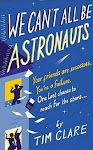


 Posts
Posts

